



For Los Angeles restaurants, online ordering can be an important part of generating takeout and delivery sales. But as online orders grow, restaurant owners also need to consider the costs, branding, customer relationships, and operational control associated with different ordering channels.
That is why many restaurant owners are researching a no commission food ordering system in Los Angeles.
A direct online ordering system can give restaurants another way to accept orders through their own website and digital channels while keeping the ordering experience connected to their brand.
In this guide, we'll explain what no-commission food ordering means, what features Los Angeles restaurants should look for, how direct ordering compares with third-party marketplaces, and how to evaluate the total cost of an ordering platform.
What Is a No Commission Food Ordering System?
A no-commission food ordering system is generally a restaurant ordering platform that does not charge a percentage-based commission on qualifying online food orders.
Instead of sending customers to a third-party marketplace, restaurants can direct customers to their own:
- Restaurant website
- Online ordering page
- Digital menu
- QR code menu
- Branded ordering channel
However, restaurant owners should look beyond the phrase "no commission."
A platform may still charge for software, payment processing, delivery, optional services, or other features.
The important question is:
What is the restaurant's total cost of accepting a direct online order?
Why Los Angeles Restaurants Are Looking at Direct Ordering
Los Angeles has a large and diverse restaurant market, with businesses serving customers across different neighborhoods, cuisines, and restaurant formats.
Customers also expect convenient ways to discover menus and place orders online.
A restaurant may need to manage:
- Website visitors
- Online orders
- Pickup
- Delivery
- Digital menus
- Customer information
- Promotions
- Repeat orders
Managing all of these through separate systems can create additional work.
A connected restaurant ordering platform can help bring more of these functions together.
For restaurants that are already receiving orders online, having a system that organizes the ordering process can also make day-to-day operations easier.
Third-Party Ordering vs. Direct Online Ordering
Restaurant owners generally have several options for accepting online orders.
Third-Party Ordering Platforms
Customers discover and order from the restaurant through a shared marketplace.
Depending on the platform, restaurants may receive:
- Customer discovery
- Ordering technology
- Payment processing
- Delivery options
However, restaurants should carefully review applicable commissions, fees, contracts, and other costs.
Direct Online Ordering
With direct ordering, customers visit the restaurant's own digital channel to place an order.
This can give restaurants more control over:
- Branding
- Menu presentation
- Ordering experience
- Customer communication
- Promotions
- Digital presence
Direct ordering can also complement third-party marketplaces rather than necessarily replacing them.
For restaurants researching alternatives to delivery marketplaces, our guide on How to Stop Paying Uber Eats Commissions: A Direct Ordering Guide for Restaurants (2026) explains how a restaurant can build a stronger direct-ordering strategy.
What Should You Look For in a No Commission Ordering System?
Choosing a platform based only on its advertised commission rate isn't enough.
Los Angeles restaurant owners should evaluate the entire ordering experience.
1. Direct Online Ordering
Customers should be able to order directly from the restaurant.
The ordering process should allow customers to:
- Browse the menu
- Select items
- Customize orders
- Add special instructions
- Choose pickup or delivery
- Select available times
- Pay online
- Receive order confirmation
A simple checkout process can make ordering easier for customers.
If you're comparing different ordering systems, our How Do I Manage Restaurant Online Orders? A Complete Guide for Restaurant Owners (2026) covers the broader order-management workflow, including receiving, preparing, tracking, and completing online orders.
2. Branded Restaurant Website
Your restaurant's online ordering system should work with your brand.
A branded restaurant website can include:
- Restaurant logo
- Brand colors
- Menu
- Food photos
- About information
- Location
- Hours
- Contact details
- Online ordering
Instead of customers seeing your restaurant only as one listing among many, your website gives them a direct destination.
A restaurant website can also become the central place where customers discover your menu, learn about the restaurant, make reservations, and place orders.
3. Digital Menu Management
Menus change frequently.
A restaurant may need to update:
- Prices
- Food descriptions
- Categories
- Modifiers
- Photos
- Availability
- Specials
Your staff should be able to make these updates without unnecessary technical work.
A digital menu can also make it easier to keep your website and ordering experience current.
For a deeper look at this topic, see Online Menu Management Tools for Restaurants in Los Angeles (2026).
4. Pickup Management
Takeout is an important part of many restaurant businesses.
Your ordering system should make it easy to manage:
- Pickup times
- Order status
- Customer information
- Special instructions
- Order preparation
- Customer notifications
Customers should be able to understand when and where they should collect their order.
5. Delivery Management
If your restaurant offers delivery, check how the platform handles it.
Look for features such as:
- Delivery zones
- Customer addresses
- Delivery scheduling
- Order status
- Delivery coordination
- Pickup and delivery separation
Also determine whether delivery is handled directly, through your own drivers, or through a third-party delivery integration.
This distinction can affect the restaurant's total delivery costs.
6. QR Code Ordering
QR codes can connect customers directly with your digital ordering channel.
Los Angeles restaurants can place QR codes on:
- Tables
- Takeout packaging
- Receipts
- Printed menus
- Flyers
- Promotional materials
Customers can scan the code and access a digital menu or ordering page.
This can help connect a restaurant's physical customer experience with its online ordering system.
7. Online Payments
A direct ordering system should provide a convenient online checkout experience.
When evaluating a platform, check:
- Supported payment methods
- Checkout experience
- Payment processing
- Order confirmation
- Refund handling
- Payment reporting
Remember that commission-free ordering does not necessarily mean payment processing is free.
Payment processing costs can still apply.
8. Customer Management
One potential benefit of direct ordering is the ability to build a more direct customer relationship, subject to applicable privacy requirements and customer consent.
Depending on the platform, restaurants may be able to manage:
- Customer profiles
- Order history
- Contact information
- Repeat customers
- Marketing permissions
- Customer segments
This information can support more relevant customer communication and marketing.
9. Email and SMS Marketing
A direct ordering system becomes even more useful when it connects with restaurant marketing.
Restaurants can use email and SMS to communicate appropriate offers and updates about:
- New dishes
- Specials
- Discounts
- Seasonal menus
- Catering
- Events
- Repeat-order campaigns
For restaurants interested specifically in customer retention, Restaurant Email & SMS Marketing: How to Drive Repeat Orders (2026) explores how these channels can support repeat customer communication.
10. Restaurant Coupon Management
Promotions can encourage customers to order directly.
A restaurant ordering platform may allow you to create:
- Discount codes
- Percentage discounts
- Fixed-value discounts
- Limited-time promotions
- Customer-specific offers
Restaurants should also consider the economics of each promotion before offering a discount.
How Much Can a No Commission Ordering System Save?
The answer depends on your restaurant's order volume, the fees charged by other platforms, payment costs, delivery expenses, and the pricing structure of your direct ordering provider.
For example, a restaurant processing $20,000 in monthly online orders could face significant costs if another platform charges a percentage-based commission.
But restaurants should not assume that moving orders to a direct system automatically eliminates every expense.
You may still have:
- Payment processing costs
- Software costs
- Delivery expenses
- Website expenses
- Marketing costs
- Other technology expenses
The better comparison is:
Total monthly ordering cost ÷ total online orders = approximate cost per order
This gives restaurant owners a more realistic basis for comparing platforms.
Direct Ordering Can Strengthen Your Restaurant Brand
Your online ordering experience is part of your restaurant's brand.
When customers order through your own website, they interact with:
- Your logo
- Your menu
- Your food photography
- Your messaging
- Your promotions
- Your restaurant information
A branded ordering experience can help keep the customer journey centered around the restaurant rather than an external marketplace.
This is one reason a restaurant website should be considered more than a simple digital business card.
No Commission Does Not Mean No Marketing
Even if a restaurant has a direct ordering system, customers still need to know that it exists.
Los Angeles restaurants can promote their direct ordering channel through:
- Google Business Profile
- Social media
- SMS
- QR codes
- Restaurant packaging
- Receipts
- Flyers
- Local SEO
- Website content
Marketing and ordering work together.
The ordering system provides the transaction channel, while marketing helps customers discover and use it.
For restaurants looking at low-cost marketing strategies, Free Digital Marketing for Restaurants: Strategies That Cost Less (2026) covers practical ways to build an online presence without relying entirely on paid advertising.
How to Encourage Customers to Order Directly
Customers may already be familiar with third-party ordering apps.
Restaurants can make direct ordering easier to discover by placing their ordering link wherever customers interact with the brand.
Website
Make Order Online easy to find.
Social Media
Include the direct ordering link in relevant profiles and promotional content.
Packaging
Add a QR code to takeout bags and containers.
Receipts
Include a direct-ordering message or QR code.
Email and SMS
Send opted-in customers to your restaurant's direct ordering page when promoting relevant offers.
The goal is to make direct ordering visible and convenient.
What About Delivery Apps?
A direct ordering system does not necessarily mean restaurants have to stop using delivery marketplaces.
A restaurant may use:
Direct ordering
For customers who already know the restaurant and want to order directly.
Third-party marketplaces
For customer discovery and additional reach.
This gives restaurants multiple ordering channels rather than requiring them to depend entirely on one.
The right mix depends on the restaurant's customer behavior, operational capacity, delivery strategy, and costs.
How to Compare No Commission Food Ordering Systems
Before choosing a platform, create a comparison based on the complete cost and feature set.
| Feature | What to Check |
| Commission | Is there a percentage-based ordering commission? |
| Subscription | What is the monthly software cost? |
| Setup | Are there setup fees? |
| Payments | What payment-processing costs apply? |
| Website | Can customers order directly through your website? |
| Menu | Can staff easily update menus? |
| Pickup | Can you manage pickup orders? |
| Delivery | How is delivery handled? |
| QR Code | Can customers scan and order? |
| Marketing | Are email and SMS tools available? |
| Customers | Can you manage customer relationships? |
| Promotions | Can you create coupons? |
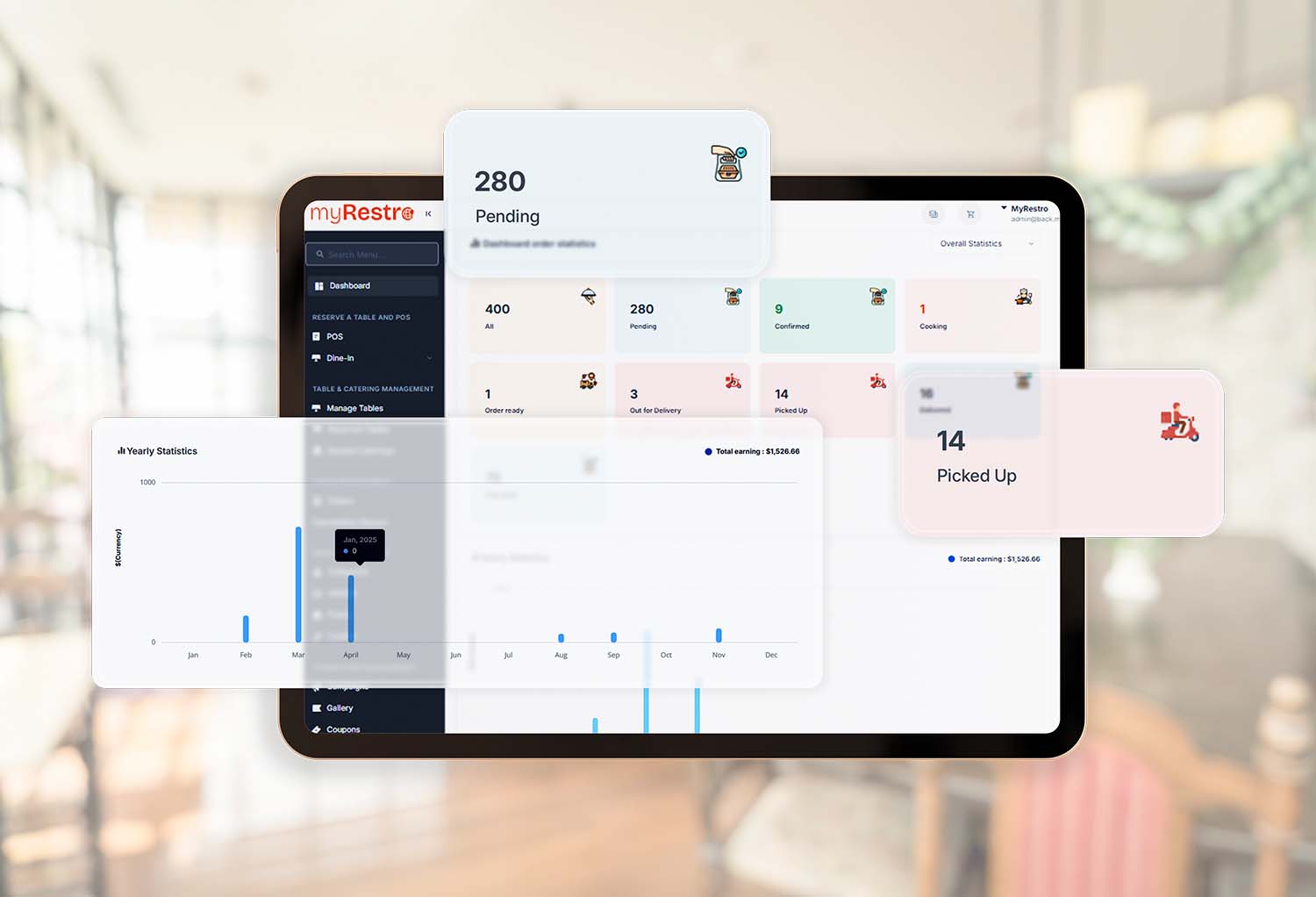
| Reporting | Can you track online orders? |
| Support | What support is included? |
Looking at all of these factors gives restaurant owners a better understanding of the actual value of a platform.
Who Can Benefit From Direct Online Ordering in Los Angeles?
Independent Restaurants
Independent restaurants can create a direct digital ordering channel without relying entirely on marketplace platforms.
Takeout Restaurants
Restaurants with significant pickup volume can use direct ordering to organize takeout orders.
Delivery Restaurants
Restaurants can combine direct ordering with their preferred delivery strategy.
Indian Restaurants
Digital menus can make it easier to organize large menus, modifiers, spice levels, and customizable dishes.
Asian Restaurants
Restaurants with multiple categories and menu combinations can benefit from structured digital menus.
Fast-Casual Restaurants
Customers can order ahead and reduce time spent waiting.
Catering Businesses
Restaurants that offer catering can use their digital presence to promote larger orders and catering services.
Why myRestro Can Help With Direct Restaurant Ordering
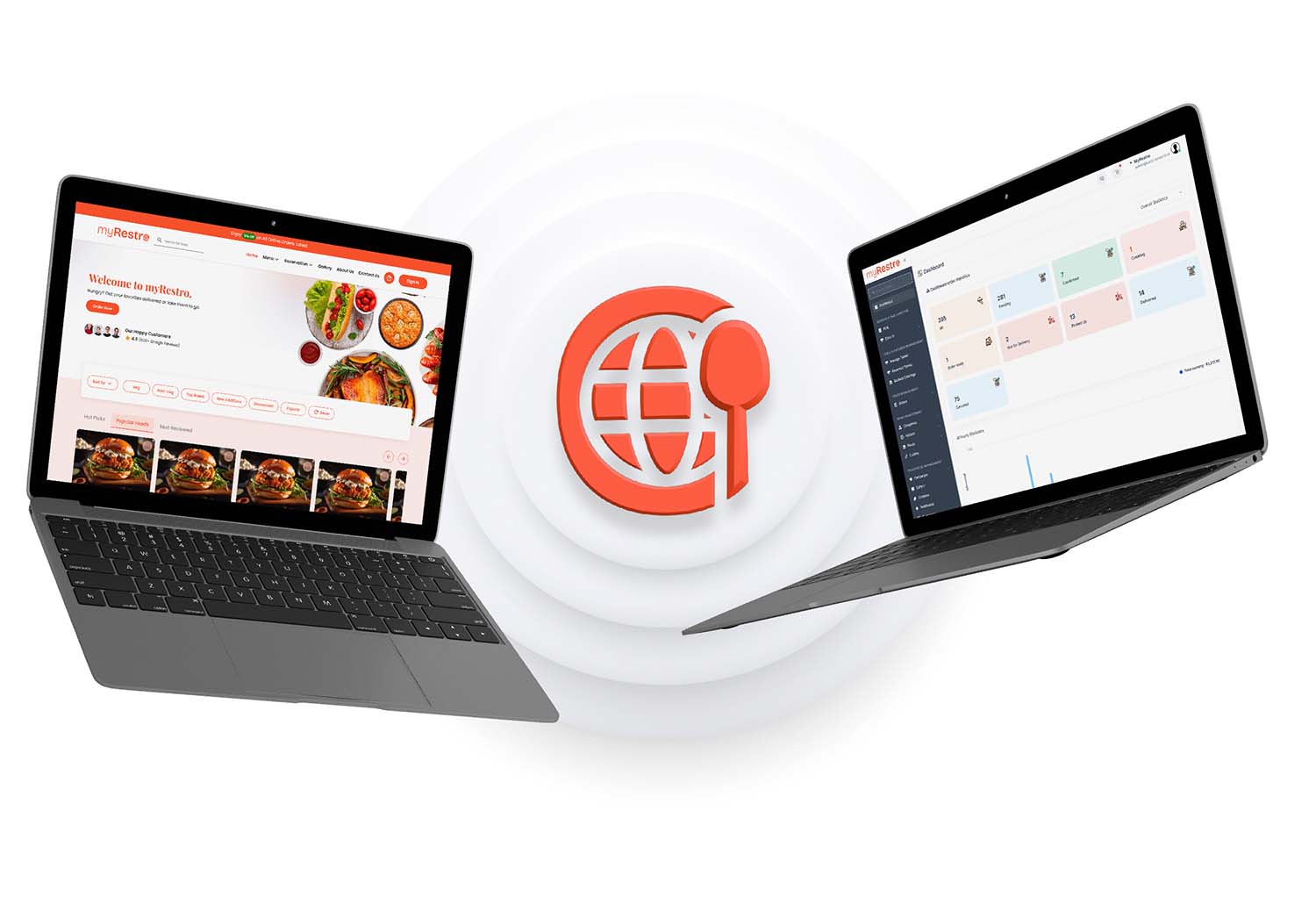
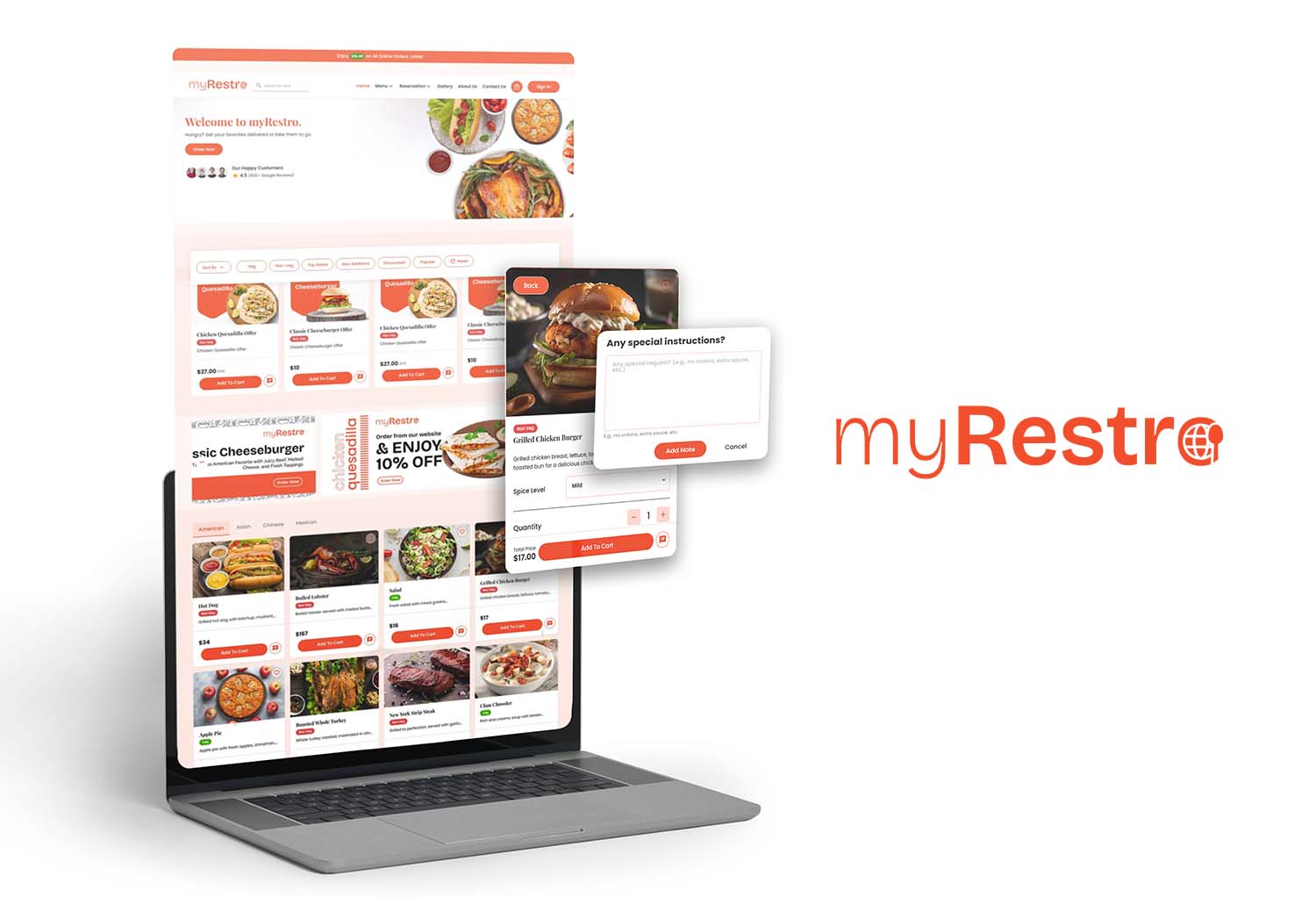
myRestro provides restaurant technology designed to bring ordering and restaurant management tools together.
The platform currently offers a 90-day free trial with 0% commission, zero setup fees, and no subscription fee during the trial. After the trial, the current model is a 10% commission per order, rather than a permanent zero-commission model.
myRestro includes tools such as:
- Branded Restaurant Website
- Online Ordering
- Digital Menu Management
- QR Code Menu
- Delivery & Pickup Management
- Customer Management
- Email & SMS Marketing
- Coupon Management
- Table Reservations
- Catering Management
The platform is designed to bring these functions together rather than requiring restaurants to manage every function through a separate system.
For restaurants comparing broader restaurant technology options, All-in-One Restaurant Management Software in California: Complete Guide for Restaurants (2026) provides a wider look at how ordering, menus, reservations, catering, delivery, and marketing can fit together.
Why an All-in-One System Can Be Useful
A restaurant might otherwise need separate systems for:
Website
↓
Online Ordering
↓
Reservations
↓
Marketing
↓
Customer Management
↓
Catering
Managing all of these systems separately can mean more subscriptions, logins, integrations, and staff training.
An all-in-one restaurant management platform can bring more of these functions together.
The benefit is not simply having more features. The goal is to create a workflow that is easier for restaurant owners and staff to manage.
How to Evaluate a No Commission Ordering Platform
Before signing up, test the platform from three perspectives.
Customer Test
Place an order as if you were a customer.
Check:
- Menu navigation
- Item customization
- Checkout
- Payment
- Order confirmation
- Mobile experience
Staff Test
Then manage the order as a restaurant employee.
Check:
- Order notifications
- Order management
- Menu updates
- Customer information
- Pickup workflow
- Delivery workflow
Owner Test
Finally, review:
- Sales reports
- Customer information
- Marketing tools
- Pricing
- Fees
- Account management
- Support
Testing the entire workflow can reveal issues that aren't obvious from a feature list.
Final Thoughts
For Los Angeles restaurants, a no commission food ordering system can provide another way to accept direct online orders and build a restaurant-owned digital ordering channel.
However, the commission percentage should not be the only factor in your decision.
Restaurant owners should compare:
- Total costs
- Online ordering
- Website capabilities
- Menu management
- Pickup
- Delivery
- QR ordering
- Customer management
- Marketing
- Promotions
- Reporting
- Support
A good ordering system should fit the restaurant's actual workflow.
For restaurants considering myRestro, the platform currently provides a 90-day trial with 0% commission and no setup or subscription fees during the trial, followed by its stated 10% per-order model.
Frequently Asked Questions
What is a no commission food ordering system?
It generally refers to a direct restaurant ordering platform that does not charge a percentage-based commission on qualifying food orders. Other costs, such as software or payment processing, may still apply.
Can Los Angeles restaurants accept online orders without using a marketplace?
Yes. Restaurants can use direct online ordering systems that allow customers to order through the restaurant's own website or digital ordering channel.
Is commission-free ordering completely free?
Not necessarily. Restaurant owners should review software costs, payment processing, delivery expenses, setup fees, and other applicable charges.
Can a direct ordering system handle delivery?
Some platforms support delivery management or delivery integrations. Restaurants should verify the specific delivery options and associated costs before choosing a provider.
Can a no commission ordering system work with my restaurant website?
Yes. Direct ordering platforms can be connected with branded restaurant websites so customers can browse the menu and place orders through the restaurant's digital channel.
Can customers order using a QR code?
Yes. QR codes can direct customers to a restaurant's digital menu or online ordering page.
Can restaurant software help bring customers back?
Customer management, email, SMS, and coupon tools can help restaurants communicate with customers who have opted into marketing and encourage repeat orders.
Does myRestro offer commission-free ordering?
myRestro currently offers 0% commission during its 90-day free trial. After the trial, the current pricing model is 10% per online order, with no subscription fee.
Start Building Your Direct Ordering Channel With myRestro
Third-party marketplaces can be one way to reach customers, but restaurants can also build their own direct digital ordering presence.
With myRestro, restaurants can bring online ordering, website management, menus, customer management, marketing, reservations, catering, and delivery tools together in one platform.
With myRestro, you get:
- 90-Day Free Trial
- 0% Commission During the Trial
- No Setup Fees
- No Subscription Fee During the Trial
- Branded Restaurant Website
- Digital Menu & QR Code Menu
- Online Ordering
- Pickup & Delivery Management
- Table Reservations
- Catering Management
- Email & SMS Marketing
- Customer Management
- Coupon Management
Give your restaurant a direct digital ordering channel and manage more of your restaurant operations from one platform.
Contact: +1 (562) 366-0646
Email: [email protected]
Website: myrestro.io
0 Comments