




Managing restaurant delivery can become complicated when orders, menus, drivers, customers, and delivery channels are handled separately.
For restaurants in California, delivery integration software can help bring different parts of the delivery process together and make order management more organized.
Instead of constantly switching between systems, restaurant teams can use connected software to manage online orders, pickup and delivery options, menus, customers, and other day-to-day operations.
For restaurants offering delivery, choosing the right technology can make a significant difference in how efficiently orders move from the customer to the kitchen and, ultimately, to the customer.
What Is Delivery Integration Software for Restaurants?
Delivery integration software is a restaurant technology solution designed to connect online ordering and delivery-related operations.
Depending on the platform, it can help restaurants manage:
- Online delivery orders
- Pickup orders
- Digital menus
- Order information
- Customer details
- Delivery options
- Restaurant websites
- Third-party delivery connections
- Order tracking and management
- Marketing and promotions
The goal is to reduce fragmented workflows and give restaurant staff a more organized way to handle delivery orders.
For restaurants that are still developing their online ordering workflow, understanding Top Online Ordering Systems for Takeout and Delivery (2026): What Restaurants Should Look For can also help when comparing ordering and delivery features.
Why California Restaurants Need Delivery Integration
California restaurants serve customers across a wide range of markets, from neighborhood restaurants to busy urban locations and multi-location restaurant groups.
Customers also expect convenient ways to order food.
Restaurants may receive orders through:
- Their own website
- Online ordering systems
- Delivery marketplaces
- Mobile devices
- QR codes
- Phone orders
- Social media or promotional channels
Managing these channels independently can create extra work for restaurant employees.
Delivery integration can help bring relevant ordering information into a more centralized workflow.
Common Problems With Restaurant Delivery Management
Without connected systems, restaurants may experience several operational challenges.
Managing Multiple Ordering Channels
Restaurant staff may have to monitor multiple platforms throughout the day.
This can make it harder to keep track of incoming orders, especially during busy service periods.
A connected ordering system can give staff a more organized way to receive and manage orders.
Keeping Menus Consistent
Prices, descriptions, modifiers, and item availability may need to be updated across different ordering channels.
An outdated menu can lead to customer confusion and unnecessary order issues.
This is why menu management should be considered alongside delivery integration. Restaurants can learn more about maintaining accurate digital menus in Online Menu Management Tools for Restaurants in Los Angeles (2026).
Managing Delivery and Pickup Separately
Restaurants often offer both delivery and pickup.
Having a system that clearly separates these order types can help staff organize orders more efficiently.
Handling Customer Information
Repeat customers can generate valuable information about ordering behavior and preferences.
A connected restaurant system can make customer management easier while supporting marketing and retention efforts.
Key Features to Look For in Delivery Integration Software
When comparing delivery integration software for restaurants in California, restaurant owners should consider the following features.
1. Online Ordering Integration
The system should provide a straightforward way for customers to place delivery and pickup orders online.
A restaurant's own website can become an important direct ordering channel.
The ordering process should allow customers to browse the menu, customize items, select delivery or pickup, and complete their order without unnecessary steps.
2. Delivery and Pickup Management
Restaurants should be able to distinguish between delivery and pickup orders and organize them appropriately.
This can help staff understand what needs to be prepared for pickup and what needs to be sent for delivery.
A clear fulfillment workflow can be especially useful during busy lunch and dinner periods.
3. Digital Menu Integration
The menu is central to the ordering process.
A delivery system should work with the restaurant's digital menu so customers can see:
- Current items
- Prices
- Descriptions
- Modifiers
- Availability
- Special offers
Keeping this information organized can reduce unnecessary confusion.
Digital menus also make it easier to update items when prices, availability, or seasonal offerings change.
4. Restaurant Website Integration
A branded restaurant website can provide customers with a direct place to view the menu and order food.
This allows restaurants to maintain their own digital ordering presence rather than depending entirely on external marketplaces.
A restaurant website can also provide information about:
- Location
- Hours
- Menu
- Reservations
- Catering
- Promotions
- Contact information
For restaurants looking at the broader role of a website, Restaurant Website Builder for Restaurants: Essential Features Every Restaurant Website Needs in 2026 covers the features that can help turn a restaurant website into a more useful digital channel.
5. Third-Party Delivery Connections
Some restaurants use third-party delivery services to reach additional customers.
Integration tools can help restaurants connect delivery-related operations with their broader restaurant workflow.
However, restaurants should carefully review the costs, fees, commissions, and terms associated with each delivery channel.
Third-party platforms can provide customer reach, while direct ordering can give restaurants another channel for customers who prefer ordering directly.
6. Order Management
Restaurant staff need to know:
- What was ordered
- Where the order is going
- Whether it is pickup or delivery
- What items need to be prepared
- Which orders are waiting
- Which orders are ready
A centralized order management system can make this information easier to organize.
The goal is to create a workflow where orders can move from customer submission to kitchen preparation and fulfillment without unnecessary manual steps.
7. Customer Management
Delivery orders generate customer information that restaurants can use for future communication and marketing.
A restaurant management platform can help maintain customer records and support customer engagement.
This can be particularly useful for restaurants that want to encourage customers to return through their own digital ordering channels.
8. Marketing Integration
Delivery does not have to be only about completing one order.
Restaurants can use email, SMS, coupons, and promotions to encourage customers to return.
A connected system can make it easier to combine ordering and marketing activities.
For restaurants building a customer-retention strategy, Restaurant Email & SMS Marketing: How to Drive Repeat Orders (2026) explains how email and SMS can support repeat-order campaigns and customer communication.
Direct Ordering vs. Third-Party Delivery Platforms
Restaurants have different options for managing delivery.
| Direct Ordering | Third-Party Platforms |
| Orders come through the restaurant's own digital channel | Orders come through an external marketplace |
| Restaurant controls the customer-facing website | Platform controls much of the customer experience |
| Can support direct customer relationships | Can provide access to marketplace customers |
| Restaurants can structure their own ordering experience | Fees and commissions may apply depending on the platform |
| Restaurant manages its own branding | Restaurant operates within the platform's environment |
Neither approach is identical for every restaurant.
Some restaurants use direct ordering as a primary channel while also maintaining selected third-party delivery relationships.
The important consideration is understanding the operational and financial impact of each channel.
Restaurants interested in reducing reliance on marketplace ordering can also review No Commission Food Ordering System Los Angeles: What Restaurants Should Look For (2026) for a closer look at direct ordering, digital menus, delivery, and customer relationships.
How Delivery Integration Can Simplify Restaurant Operations
A connected system can reduce the need for restaurant staff to repeatedly move information between different tools.
For example:
Customer places an online order → Restaurant receives the order → Kitchen prepares it → Order is assigned to pickup or delivery → Customer receives the order.
When these steps are supported by connected restaurant technology, staff can spend less time managing disconnected systems.
This can be particularly useful during busy lunch and dinner periods.
The exact workflow depends on the restaurant's technology setup, staffing, delivery model, and order volume.
Delivery Integration for Independent Restaurants
Independent restaurants may not have large technology teams or dedicated staff for managing multiple software platforms.
For these businesses, simplicity matters.
A useful delivery solution should be:
- Easy to understand
- Easy for staff to use
- Mobile-friendly
- Connected to online ordering
- Compatible with digital menus
- Flexible enough to support restaurant growth
- Clear about pricing and transaction costs
Restaurant owners should focus on how the system fits into their existing workflow rather than choosing software based only on the number of features advertised.
A platform that combines ordering, menus, customer management, and delivery-related functions can potentially reduce the number of separate tools restaurant staff need to manage.
Delivery Integration for Multi-Location Restaurants
Restaurants operating multiple locations have additional challenges.
Each location may have:
- Different menus
- Different hours
- Different availability
- Different delivery areas
- Different staff
- Different order volumes
A centralized restaurant management platform can help owners maintain more consistent processes while allowing individual locations to manage their own operations.
Multi-location restaurants should also consider whether the software can support location-specific menu and ordering requirements.
Delivery Integration and Restaurant Websites
A restaurant website can be more than a place to display an address and phone number.
With online ordering integration, it can become a direct digital ordering channel.
A branded restaurant website can allow customers to:
- Visit the restaurant's website
- Browse the digital menu
- Select delivery or pickup
- Customize their order
- Submit the order
- Receive the appropriate order information
This creates a more connected customer journey.
A website can also serve as the central destination for other restaurant functions, including reservations, catering, menus, and customer information.
Delivery Integration and Digital Menus
An accurate digital menu is essential for delivery orders.
Customers need to see the same information that the restaurant intends to offer.
Restaurant owners should regularly review:
- Prices
- Item availability
- Descriptions
- Modifiers
- Photos
- Categories
- Specials
Keeping these details updated can help reduce ordering errors.
Digital menu management is especially important when restaurants operate across multiple ordering channels.
Instead of updating menu information manually in several places, restaurant owners can look for systems that make menu management more centralized.
How Delivery Software Can Support Restaurant Growth
Delivery technology is not only about processing orders.
When connected with other restaurant tools, it can support broader business operations.
For example, restaurants can combine:
Online Ordering + Delivery + Customer Management + Marketing + Digital Menus
This gives restaurants a more connected digital infrastructure.
Customer data can support marketing campaigns, while ordering information can help restaurants understand demand and identify operational patterns.
Restaurants can also use promotions to encourage customers to return.
For example, a restaurant could promote a seasonal menu item through email or SMS and direct customers to its online ordering page.
Questions to Ask Before Choosing Delivery Integration Software
Before selecting a delivery integration system, restaurant owners should ask:
Does It Support Direct Online Ordering?
A restaurant should understand whether customers can order directly through its own website or ordering channel.
Can It Manage Pickup and Delivery?
The system should support the restaurant's actual fulfillment options.
Can the Menu Be Updated Easily?
Restaurant staff should be able to change menu information without unnecessary technical work.
Does It Support Multiple Locations?
This matters for restaurant groups and businesses planning to expand.
Can It Connect With Customer Management?
Customer information can be useful for future communication and marketing.
Does It Support Marketing?
Look for features such as email, SMS, and coupon management if customer retention is a priority.
What Are the Total Costs?
Restaurant owners should review setup fees, subscription costs, transaction fees, delivery-related expenses, and commissions where applicable.
A platform's advertised price should not be the only factor.
Restaurant owners should calculate the total cost of the software based on their actual order volume and operational needs.
Why myRestro Can Help California Restaurants
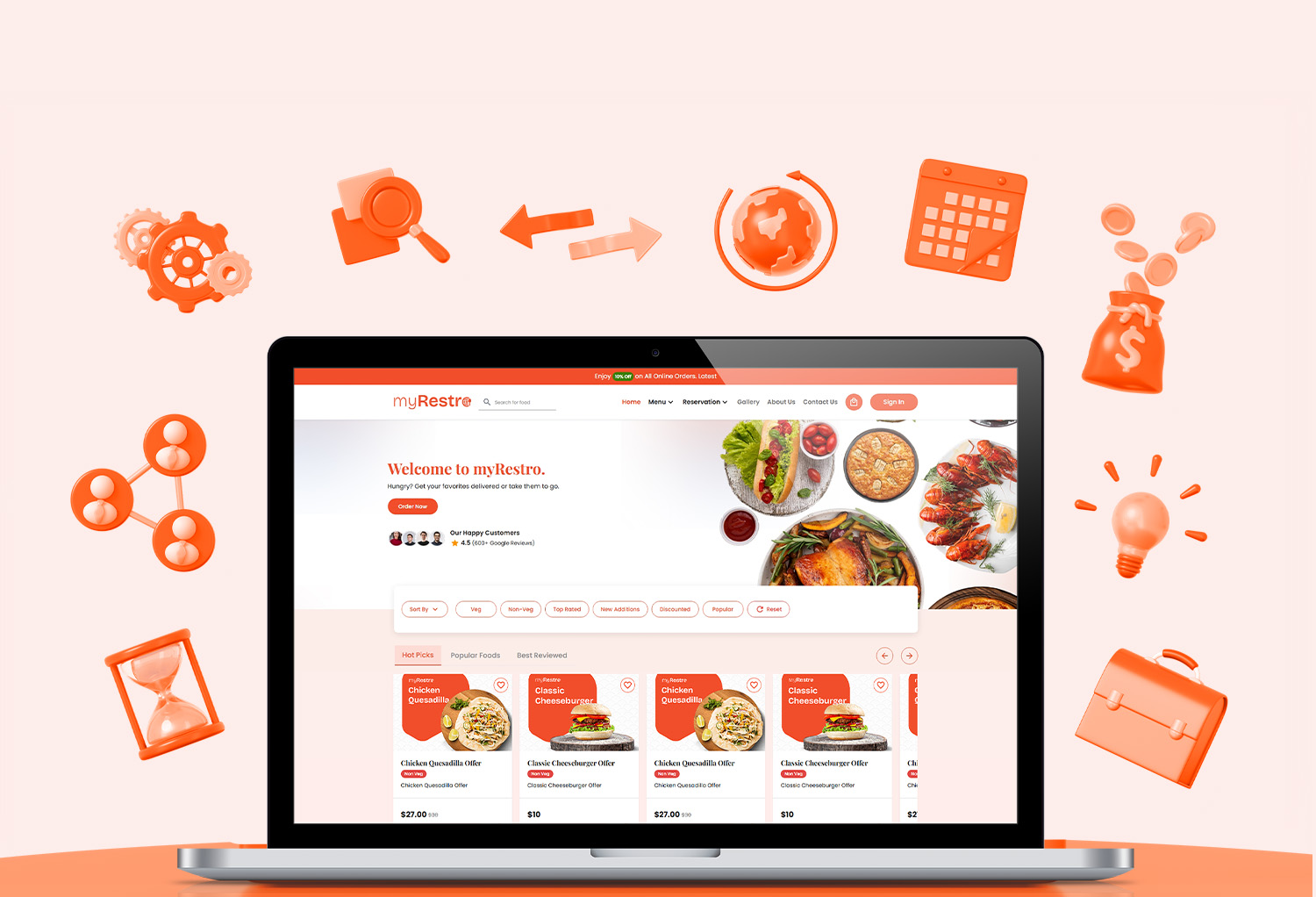
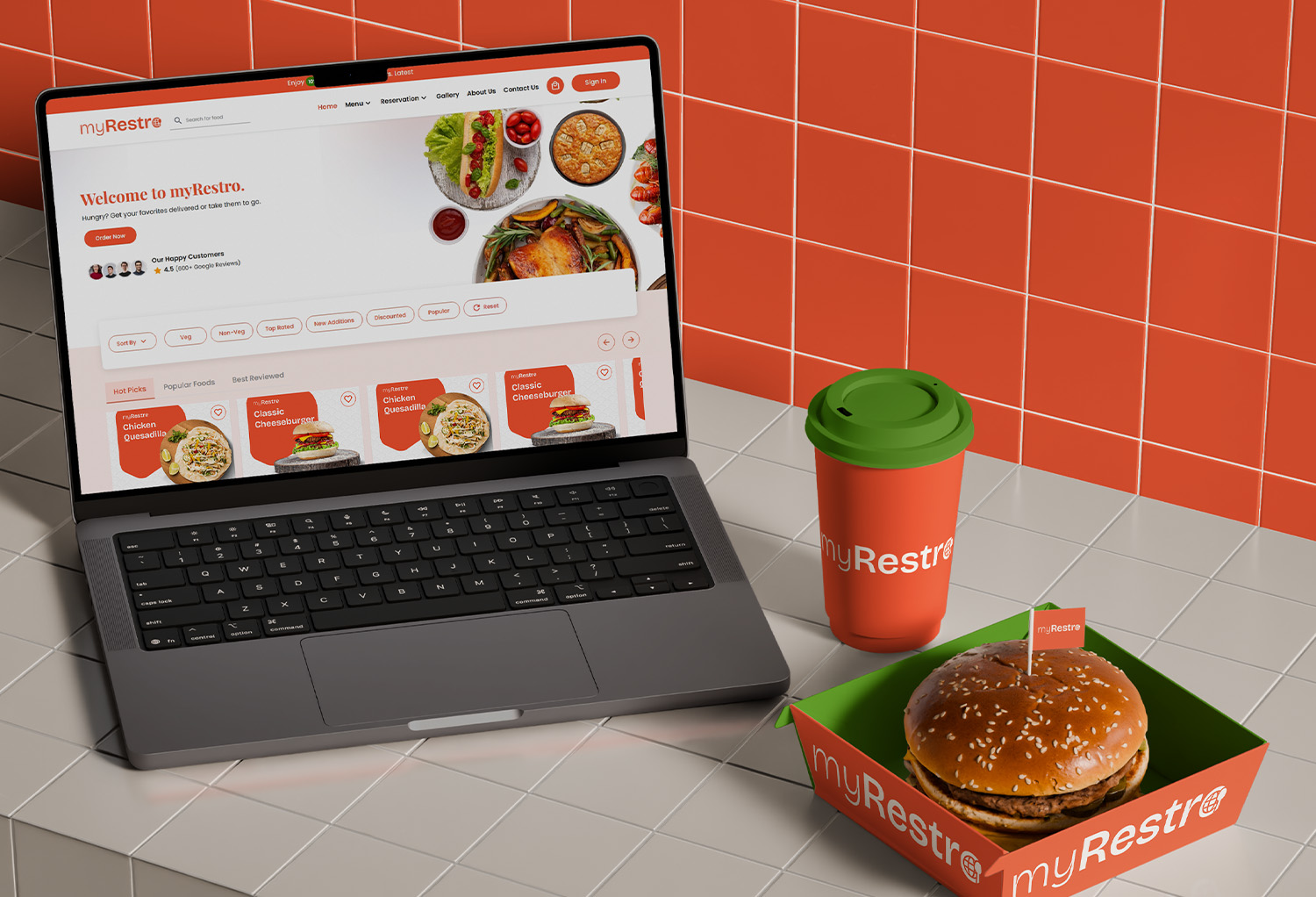
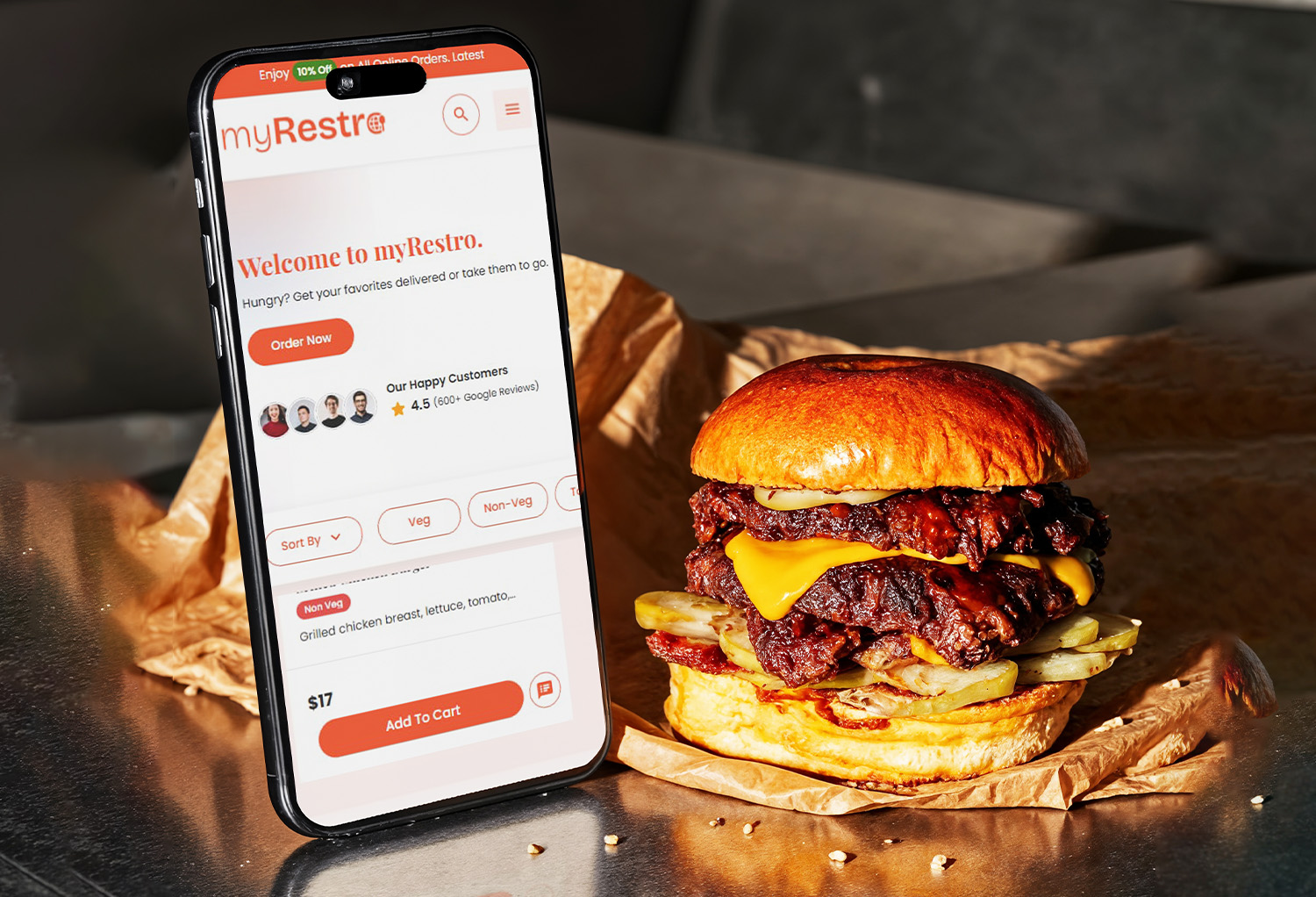
myRestro brings restaurant ordering and management tools together through one platform.
For restaurants managing delivery and pickup, myRestro provides tools for:
✔ Online Ordering
✔ Branded Restaurant Website
✔ Digital Menu Management
✔ QR Code Menu
✔ Delivery & Pickup Management
✔ Customer Management
✔ Table Reservations
✔ Catering Management
✔ Email & SMS Marketing
✔ Coupon Management
This gives restaurants a way to connect delivery-related ordering with other parts of their daily operations.
Rather than using separate systems for every function, restaurant owners can manage multiple restaurant processes through one platform.
For restaurants evaluating broader restaurant management software, All-in-One Restaurant Management Software in California: Complete Guide for Restaurants (2026) provides a wider look at how ordering, menus, reservations, catering, marketing, and other restaurant operations can work together.
myRestro currently offers a 90-day free trial with 0% commission during the trial period and no setup fees. After the trial, the current pricing model is 10% per online order. Restaurant owners should review the current pricing and terms before signing up.
Benefits of a Connected Delivery System
The right delivery integration software can help restaurants:
Organize Incoming Orders
Keep delivery and pickup orders easier to manage.
Maintain Digital Menus
Keep prices, items, and availability updated.
Build Direct Ordering Channels
Give customers a way to order through the restaurant's own digital presence.
Support Customer Relationships
Use customer management and marketing tools to encourage repeat business.
Reduce Fragmented Workflows
Bring relevant restaurant operations together instead of relying on disconnected tools.
Support Restaurant Growth
Choose a system that can adapt as order volume and locations increase.
Final Thoughts
For restaurants in California, delivery is an important part of the modern restaurant ordering experience.
The right delivery integration software for restaurants in California can help connect online ordering, digital menus, pickup, delivery, customer management, and marketing.
Restaurant owners should compare software based on their specific operations, ordering channels, delivery requirements, and overall costs.
A connected restaurant management platform can provide a more organized foundation for handling digital orders while giving restaurants greater control over their customer-facing experience.
The goal is not simply to add another delivery tool. It is to create a workflow where menus, orders, fulfillment, customers, and marketing can work together more efficiently.
Frequently Asked Questions
What is delivery integration software?
Delivery integration software connects restaurant ordering and delivery-related operations, helping businesses manage online orders, menus, customers, pickup, and delivery through connected tools.
Is delivery integration useful for small restaurants?
Yes. Small restaurants can use integrated software to simplify ordering and delivery workflows without necessarily managing multiple disconnected systems.
Can restaurants offer both pickup and delivery?
Yes. Many restaurant ordering platforms support both fulfillment options, allowing customers to select pickup or delivery when placing an order.
Can delivery software connect to a restaurant website?
Depending on the platform, restaurants can connect online ordering with their branded website so customers can browse the menu and place orders directly.
Should restaurants use third-party delivery platforms?
Restaurants can evaluate third-party platforms based on their customer reach, operational needs, fees, commissions, and business objectives. Some businesses use them alongside direct ordering.
Can delivery software manage digital menus?
Many restaurant platforms connect digital menu management with online ordering, allowing restaurants to maintain item information, prices, modifiers, and availability.
Does myRestro support restaurant delivery management?
myRestro provides delivery and pickup management along with online ordering, digital menus, restaurant websites, customer management, marketing, reservations, and catering tools.
Connect Your Restaurant’s Delivery Operations With myRestro
Make online ordering and restaurant management easier with tools designed to work together.
With myRestro, restaurants can access:
✔ Online Ordering
✔ Branded Restaurant Website
✔ Online Menu Management
✔ QR Code Menu
✔ Delivery & Pickup Management
✔ Table Reservation Management
✔ Catering Management
✔ Customer Management
✔ Email & SMS Marketing
✔ Coupon Management
✔ 90-Day Free Trial
✔ 0% Commission During the Trial
✔ No Setup Fees
Bring your restaurant's digital ordering and management tools together with myRestro.
Explore myRestro today.
Contact: +1 (562) 366-0646
Email: [email protected]
Website: myrestro.io
0 Comments