



Introduction
For years, food delivery apps helped restaurants reach more customers online. Platforms like DoorDash became popular because they offered convenience, delivery infrastructure, and access to a large customer base.
But in 2026, many independent restaurants are starting to ask an important question:
👉 Are third-party delivery apps actually helping profits—or hurting them?
The answer is leading thousands of restaurant owners toward a new solution: direct online ordering systems.
Instead of paying high commissions and losing customer ownership, restaurants are now investing in branded ordering systems that help them keep more revenue and build long-term customer loyalty.
Table of Contents
- Why Restaurants Started Depending on DoorDash
- The Biggest Problems Restaurants Face with DoorDash
- What Is a Direct Ordering System?
- Why Independent Restaurants Are Switching
- How Modern Direct Ordering Systems Work
- The Shift Away from Marketplace Dependency
- Why Small Restaurants Are Leading This Trend
- Traditional POS Systems vs Modern Direct Ordering Platforms
- Why Direct Ordering Systems Are Growing Faster in 2026
- Common Mistakes Restaurants Make
- How Restaurants Successfully Transition Away from DoorDash
- Why All-in-One Restaurant Platforms Are Becoming Popular
- Final Thoughts
Why Restaurants Started Depending on DoorDash
Delivery platforms became popular because they solved major operational challenges.
Restaurants benefited from:
✔ Online ordering access
✔ Delivery logistics
✔ Customer discovery
✔ Fast onboarding
For small restaurants without digital infrastructure, this was valuable.
But over time, many restaurant owners realized the hidden costs were growing rapidly.
The Biggest Problems Restaurants Face with DoorDash
High Commission Fees
One of the biggest complaints from restaurant owners is commission cost.
Many delivery platforms charge:
- 15% to 30% per order
- Additional marketing fees
- Promotional placement costs
For restaurants operating on thin margins, these fees significantly reduce profitability.
👉 Related:
➡️ How to Stop Paying Uber Eats Commissions (Step-by-Step Guide)
Loss of Customer Ownership
When customers order through third-party apps:
❌ The platform owns the customer relationship
❌ Restaurants receive limited customer data
❌ Building loyalty becomes difficult
Restaurants spend years building their brand, but delivery apps often become the primary customer touchpoint instead.
Brand Visibility Problems
On large delivery marketplaces, restaurants compete directly against:
- Chains
- Sponsored listings
- Discount-driven competitors
This makes it harder for independent restaurants to stand out.
What Is a Direct Ordering System?
A direct restaurant ordering system allows customers to place orders directly from:
- The restaurant’s website
- Mobile ordering pages
- QR code menus
- Branded ordering apps
Instead of routing orders through third-party marketplaces, restaurants keep customers inside their own ecosystem.
Why Independent Restaurants Are Switching
Better Profit Margins
Without high commissions, restaurants keep more revenue from every order.
This helps businesses:
- Increase profitability
- Reduce dependency on delivery platforms
- Invest more into growth and marketing
Full Brand Ownership
With direct ordering systems, restaurants control:
- Branding
- Customer experience
- Promotions
- Loyalty programs
This creates stronger long-term customer relationships.
Access to Customer Data
Restaurants can now collect:
- Customer emails
- Phone numbers
- Order history
- Loyalty preferences
This makes email and SMS marketing possible.
👉 Related:
➡️ Restaurant Email & SMS Marketing: How to Increase Repeat Customers (2026)
More Repeat Orders
Restaurants using direct ordering systems often increase repeat business because customers order directly from the brand instead of searching marketplaces repeatedly.
How Modern Direct Ordering Systems Work
Modern restaurant ordering platforms now combine:
✔ Online ordering
✔ Restaurant website builder
✔ QR code menus
✔ Delivery management
✔ Table reservations
✔ Marketing automation
All in one system.
👉 Related:
➡️ Restaurant QR Code Menu, Table Management & Delivery System: Complete 2026 Guide
The Shift Away from Marketplace Dependency
In 2026, restaurants are becoming more focused on:
- Digital independence
- Brand ownership
- Direct customer relationships
Instead of renting customers from delivery apps, restaurants want to build their own customer base.
Why Small Restaurants Are Leading This Trend
Independent restaurants are often affected the most by high commissions because they operate with tighter profit margins than large chains.
Small restaurants now prefer:
✔ Lower upfront costs
✔ No setup fees
✔ Commission-free ordering
✔ Simple online ordering tools
This is why many are choosing modern restaurant ordering systems over traditional marketplace dependency.
Traditional POS Systems vs Modern Direct Ordering Platforms
Many restaurants originally relied on POS systems from companies like:
- Toast
- Square
- Clover
While these systems offer ordering capabilities, many restaurants now want:
✔ More marketing control
✔ Better customer ownership
✔ Flexible direct ordering systems
✔ Lower long-term costs
👉 Related:
➡️ Toast POS vs Square vs Clover: Full Comparison
Why Direct Ordering Systems Are Growing Faster in 2026
Several major trends are accelerating growth:
Mobile ordering adoption
Customers expect fast digital ordering.
Rising delivery commissions
Restaurants are prioritizing profitability.
Better restaurant technology
Modern systems are easier to use and more affordable.
Integrated marketing tools
Restaurants can now automate customer engagement.
Common Mistakes Restaurants Make
❌ Depending only on delivery apps
❌ Ignoring direct customer relationships
❌ Not building branded websites
❌ Using disconnected software systems
❌ Focusing only on short-term orders instead of long-term loyalty
How Restaurants Successfully Transition Away from DoorDash
The most successful restaurants usually follow this strategy:
Step 1: Launch branded online ordering
Step 2: Promote direct ordering on social media
Step 3: Offer loyalty incentives
Step 4: Use QR code ordering in-store
Step 5: Build email and SMS marketing campaigns
👉 Related:
➡️ How to Set Up Online Ordering for Your Restaurant in 2026 (Step-by-Step Guide)
Why All-in-One Restaurant Platforms Are Becoming Popular
Restaurants no longer want:
- separate ordering tools
- separate marketing systems
- separate delivery software
They prefer unified systems that simplify operations.
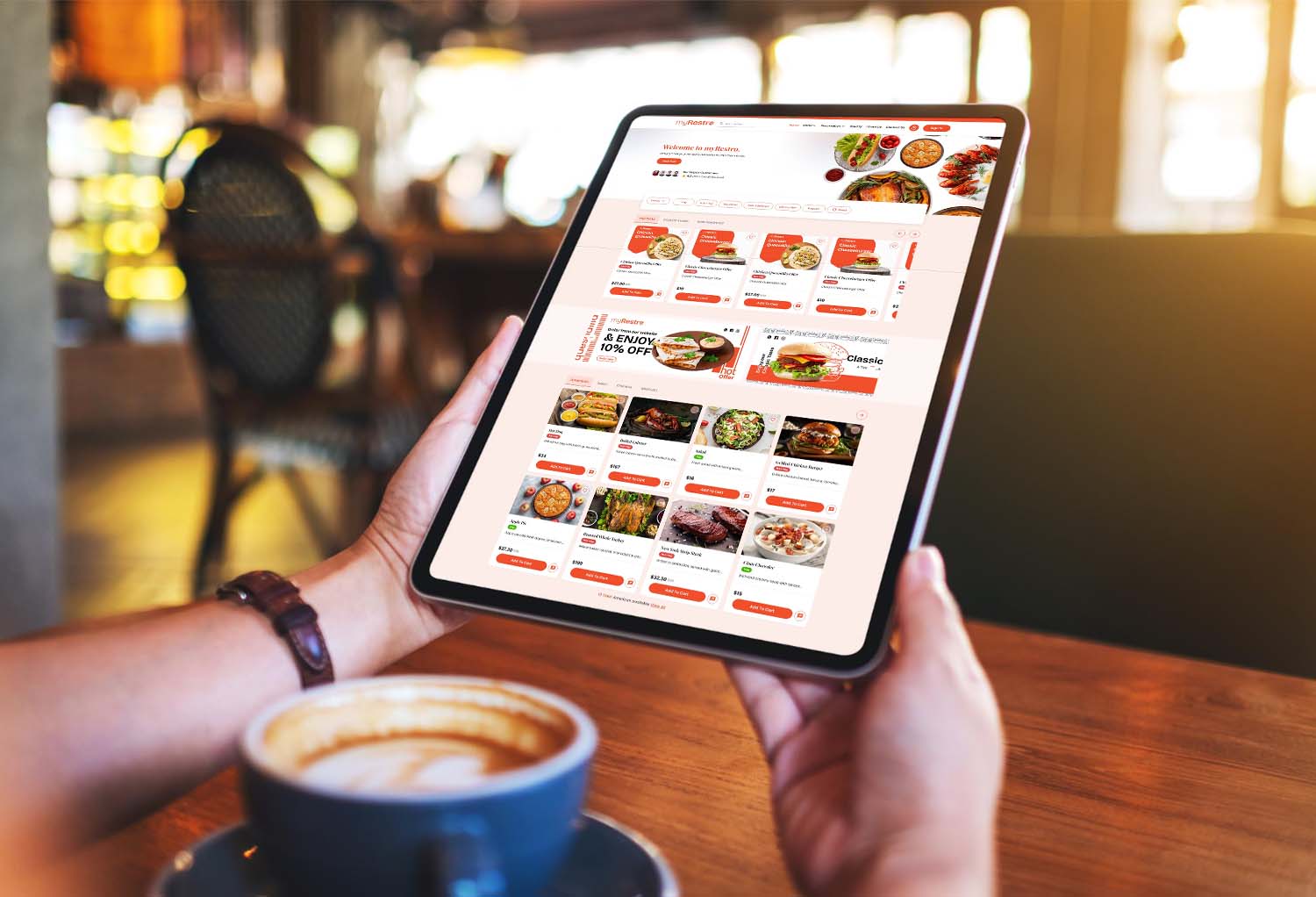
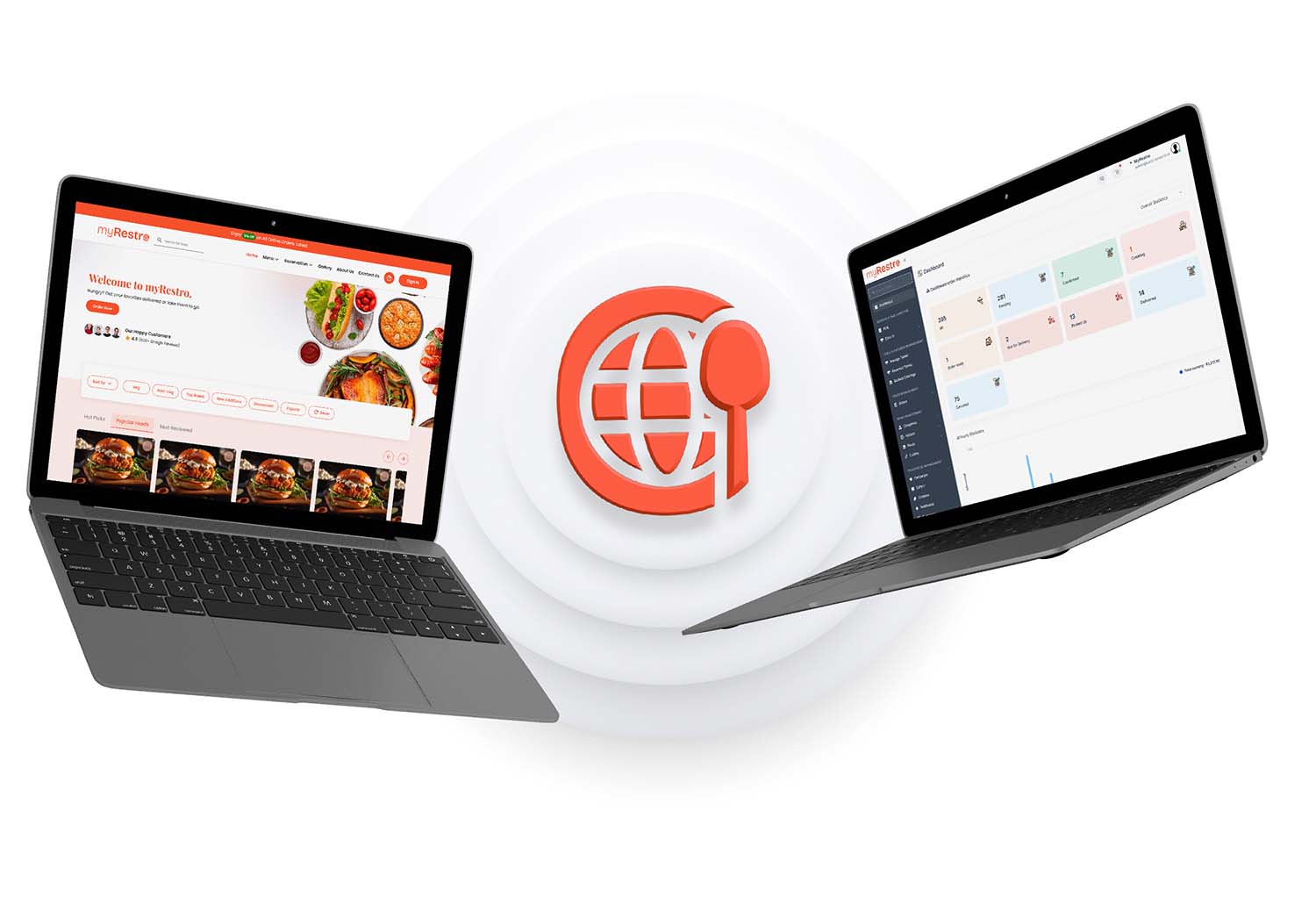
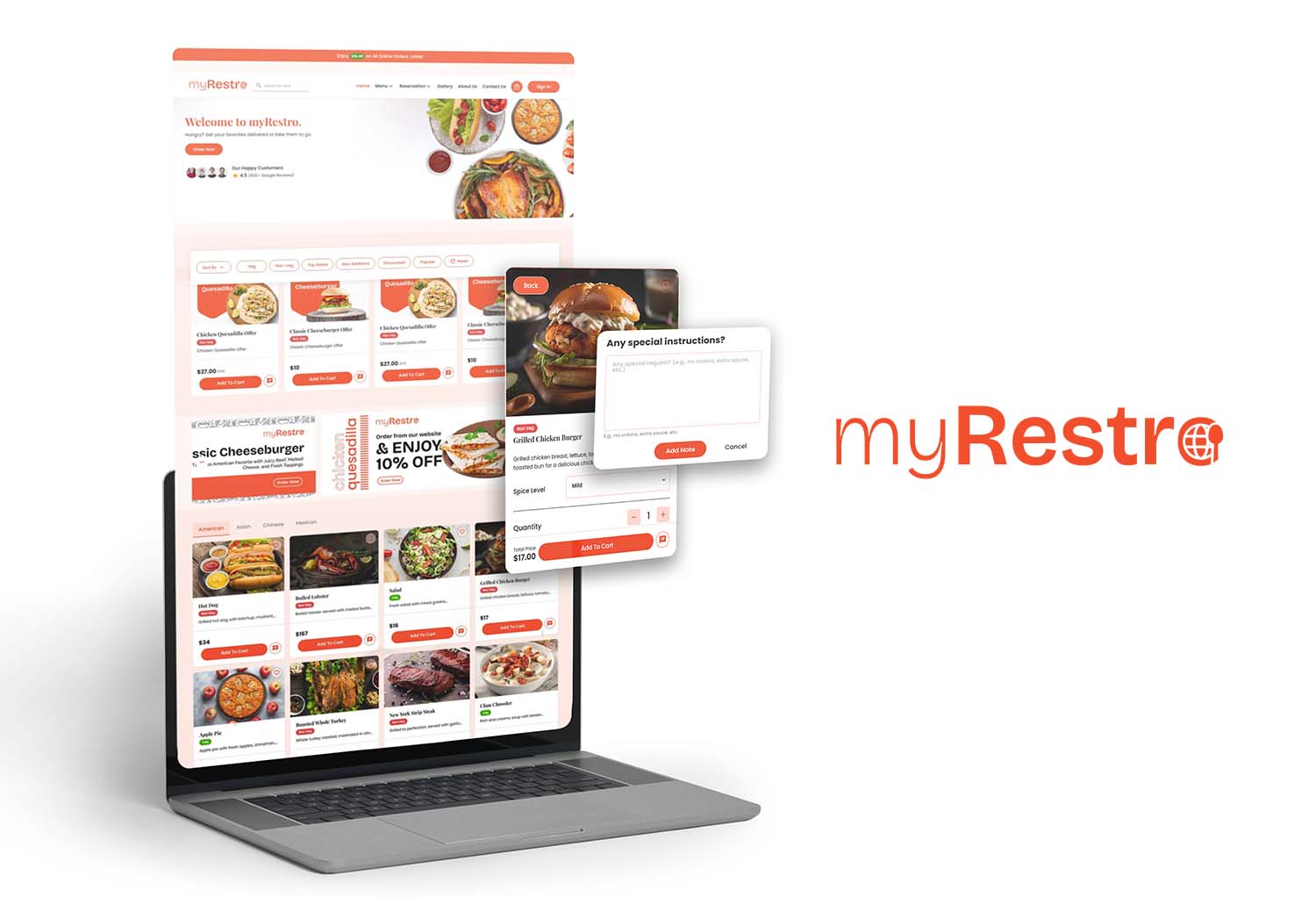
Platforms like myRestro focus on:
✔ Direct ordering
✔ Branded restaurant websites
✔ Delivery management
✔ Marketing automation
✔ Customer ownership
This helps restaurants grow independently instead of depending entirely on third-party apps.
Final Thoughts
Independent restaurants are no longer satisfied with losing large portions of revenue to third-party delivery platforms.
In 2026, the focus is shifting toward:
✔ Direct customer relationships
✔ Commission-free ordering
✔ Brand ownership
✔ Long-term profitability
Restaurants that build their own ordering ecosystem now will have a major competitive advantage in the future.
Build Your Own Restaurant Ordering System
With myRestro, restaurants can:
✔ Launch direct online ordering
✔ Create branded restaurant websites
✔ Manage delivery & table operations
✔ Run email & SMS marketing campaigns
✔ Reduce dependence on third-party apps
✔ Start with a 90-day free trial
Start TodayContact: +1 (562) 366-0646
Email: [email protected]
Website: https://myrestro.io
0 Comments