





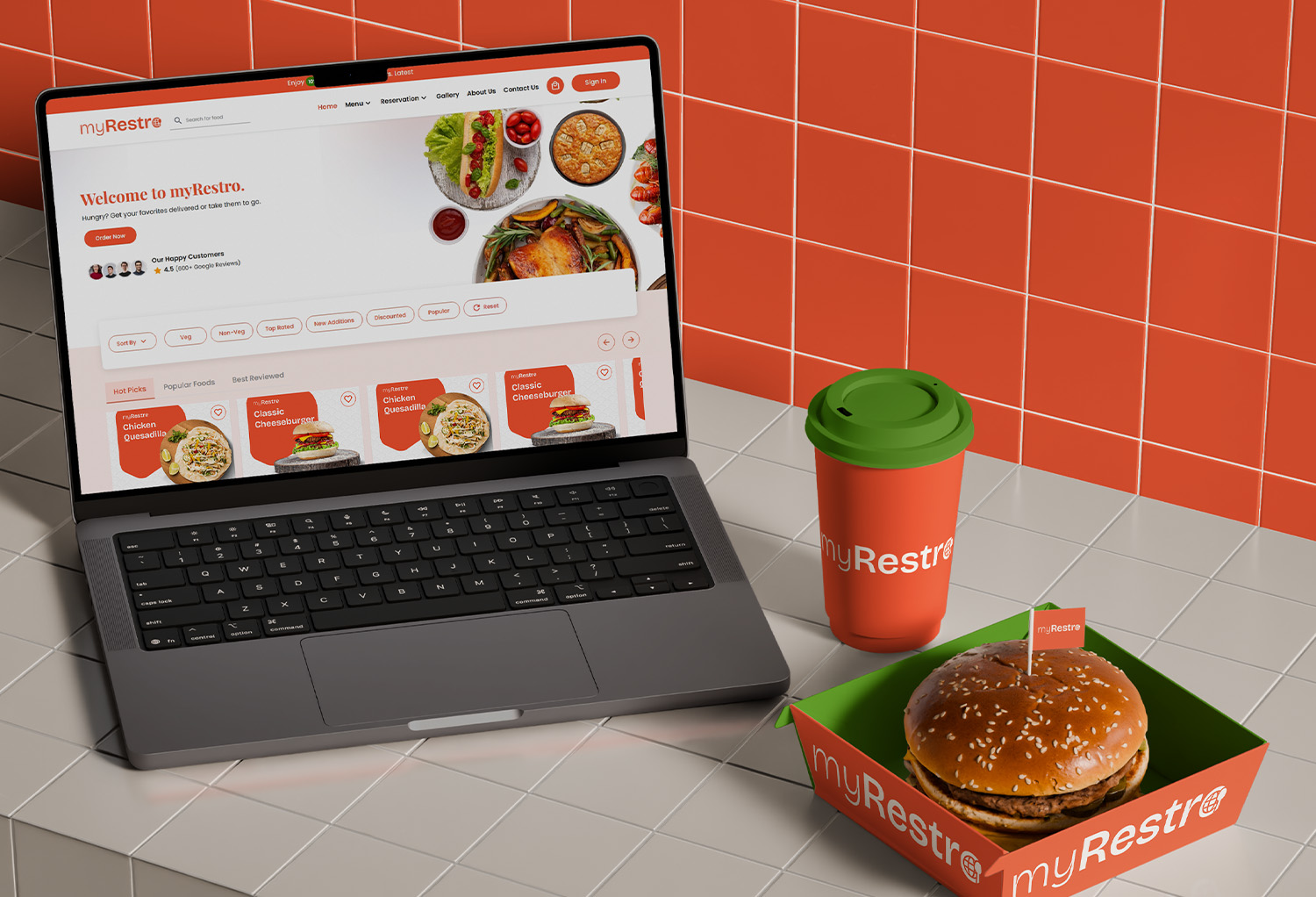
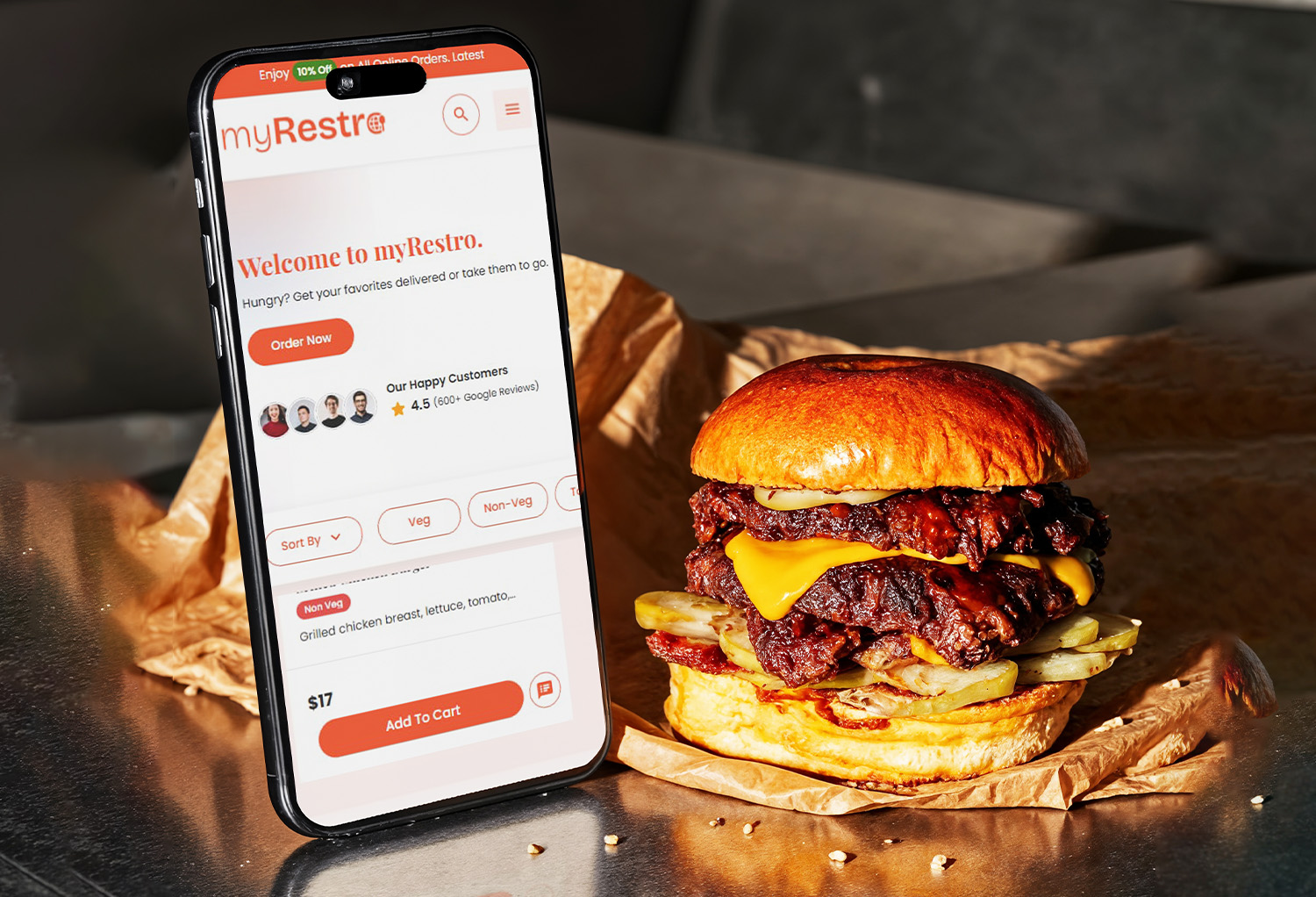
Customers increasingly expect restaurants to make ordering food quick and convenient from their phones.
While a restaurant website can provide online ordering, some businesses also want a more branded mobile experience that keeps their restaurant identity front and center.
That is where a white label restaurant ordering app can be useful.
A white-label app allows a restaurant to provide an ordering experience under its own brand rather than presenting customers with a generic third-party application.
For independent restaurants and growing restaurant groups, this can provide another way to connect with customers, showcase the menu, and manage direct orders.
What Is a White Label Restaurant Ordering App?
A white-label restaurant ordering app is a mobile ordering application that can be branded for a specific restaurant or restaurant business.
Instead of developing an application completely from scratch, the restaurant uses an existing technology platform that can be customized with its own branding and customer-facing information.
Depending on the platform, customization may include:
- Restaurant name
- Logo
- Brand identity
- Menu
- Restaurant information
- Ordering options
- Promotions
- Customer communication
The underlying technology is provided by the software platform, while the customer-facing experience can be presented as the restaurant's own branded ordering app.
Why Are Restaurants Considering Branded Ordering Apps?
Restaurant customers already use smartphones for searching menus, checking restaurant information, and placing food orders.
A branded ordering app can give restaurants another direct digital channel.
Instead of relying exclusively on third-party marketplaces, a restaurant can create a digital environment where customers can interact directly with its brand.
This can be particularly useful for restaurants with a strong base of repeat customers.
White Label App vs. Third-Party Food Delivery App
A white-label restaurant app and a third-party marketplace app serve different purposes.
| White Label Restaurant App | Third-Party Marketplace App |
| Restaurant branding is central | Marketplace branding is central |
| Designed around the restaurant | Customers browse many restaurants |
| Can support direct ordering | Orders come through the marketplace |
| Restaurant controls more of the customer-facing experience | Marketplace controls much of the experience |
| Can support direct customer relationships | Customer relationship may primarily exist within the marketplace |
| Restaurant can promote its own app | Restaurant competes with other listings |
Restaurants should consider both customer acquisition and long-term customer relationships when evaluating these channels.
Key Features to Look For in a White Label Restaurant Ordering App
Not every white-label solution offers the same functionality.
Restaurant owners should consider the following features.
1. Custom Branding
The app should reflect the restaurant's identity.
Important elements may include:
- Logo
- Restaurant name
- Brand information
- Menu presentation
- Promotional content
A consistent brand experience can make the app feel more connected to the restaurant's existing website and marketing.
2. Digital Menu Integration
The app needs an accurate and easy-to-use digital menu.
Customers should be able to browse:
- Categories
- Food items
- Prices
- Descriptions
- Photos
- Modifiers
- Add-ons
- Availability
Restaurant staff should also have an efficient way to update menu information.
3. Online Ordering
The core purpose of the app is ordering.
Customers should be able to select their food, customize items where applicable, and complete their order through a straightforward process.
4. Pickup and Delivery
Restaurants may offer different fulfillment options.
A useful ordering app should support the restaurant's needs for:
- Pickup
- Delivery
- Scheduled orders
- Order instructions
The exact features depend on the platform.
5. Secure Payments
Customers need a convenient way to pay for their orders.
Restaurants should review the payment methods supported by the platform and understand any transaction-related costs.
6. Customer Management
A direct ordering app can provide restaurants with opportunities to maintain customer relationships.
Customer management features may help restaurants organize information related to previous orders and customer interactions.
7. Push Notifications
Mobile apps can potentially provide another channel for communicating with customers.
Restaurants may use notifications for appropriate purposes such as:
- New menu announcements
- Special offers
- Restaurant updates
- Limited-time promotions
Restaurants should avoid excessive notifications that could lead customers to disable them.
8. Coupons and Promotions
A branded ordering app can be connected with restaurant promotions.
Restaurants may offer:
- Discount codes
- Limited-time offers
- Special promotions
- Customer appreciation offers
Coupon management can make these campaigns easier to organize.
Benefits of a White Label Restaurant Ordering App
A branded ordering app can provide several potential benefits.
Stronger Brand Presence
Customers interact with the restaurant's branding rather than only seeing a third-party marketplace.
Direct Ordering Channel
Restaurants can provide customers with another way to place orders directly.
Convenient Customer Experience
Customers can access the restaurant's menu and ordering options through a mobile device.
Customer Engagement
A direct digital channel can support ongoing communication with customers through appropriate marketing tools.
More Control Over the Customer Experience
Restaurants can design their ordering experience around their own menu, branding, promotions, and customer communication.
Is a White Label App the Same as Building an App From Scratch?
No.
Building a mobile application from scratch generally involves developing and maintaining the software specifically for the business.
A white-label solution uses an existing technology platform that can be branded or customized for the restaurant.
| Custom App Development | White Label App |
| Built specifically for one business | Built on an existing platform |
| Greater development involvement | Less development required |
| Can require significant development resources | Typically designed for faster deployment |
| Business is responsible for custom development decisions | Platform provider handles underlying technology |
| Potentially highly customized | Customization depends on provider |
For many restaurants, the choice comes down to how much customization they need and how much technology development they want to manage.
Who Can Benefit From a White Label Restaurant Ordering App?
Independent Restaurants
A branded app can provide another direct ordering channel for restaurants with an established customer base.
Restaurant Groups
Multiple locations may benefit from a consistent branded digital ordering experience, depending on the platform's capabilities.
Restaurants With Repeat Customers
Customers who regularly order from the same restaurant may find a dedicated ordering channel convenient.
Takeout-Focused Restaurants
Restaurants that receive significant pickup orders can use mobile ordering as another way to make ordering easier.
Restaurants Building Direct Ordering
Businesses that want to develop a stronger direct relationship with customers may consider a branded ordering app as part of their digital strategy.
How a White Label Ordering App Fits Into Restaurant Technology
A restaurant ordering app should not necessarily operate as an isolated tool.
The greatest value can come when it connects with other restaurant systems.
For example:
Branded App → Digital Menu → Online Order → Payment → Pickup/Delivery → Customer Management → Marketing
Connecting these functions can reduce the need to manage completely separate systems.
Restaurant owners should therefore consider how an app fits into their overall restaurant technology rather than evaluating the app alone.
White Label Apps and Restaurant Websites
A mobile ordering app does not necessarily replace a restaurant website.
The two can serve different purposes.
A restaurant website can provide:
- Restaurant information
- Menu
- Location
- Hours
- About information
- Catering information
- Reservation options
- Online ordering
A branded app can provide a more mobile-focused experience for customers who regularly interact with the restaurant.
Having both can give restaurants multiple direct digital touchpoints.
White Label Apps and Digital Menus
The menu is one of the most important components of any restaurant ordering app.
Restaurant owners should be able to keep menu information updated.
Changes may include:
- New dishes
- Price changes
- Seasonal items
- Sold-out items
- New modifiers
- Updated descriptions
- New food photos
A centralized menu management system can make these changes easier to maintain.
👉 Related: [Online Menu Management Tools for Restaurants in Los Angeles (2026)] explains how restaurants can manage digital menus and keep online menu information updated.
White Label Apps and Restaurant Marketing
A branded ordering app can also become part of a restaurant's marketing strategy.
Restaurants can promote the app through:
- Social media
- SMS
- Restaurant signage
- QR codes
- Printed materials
- Website banners
- Customer receipts
For example, a restaurant could place a QR code at the checkout counter that directs customers to its branded ordering experience.
The goal is to make customers aware that a direct ordering channel exists.
What Should Restaurants Consider Before Choosing a White Label App?
Before signing up for a platform, restaurant owners should ask several practical questions.
How Much Branding Is Available?
Find out what parts of the customer experience can actually be customized.
Is the Menu Easy to Manage?
Restaurant staff should be able to make everyday menu changes without complicated processes.
Does It Support Direct Ordering?
Understand whether orders are placed directly through the restaurant's branded channel.
Does It Support Pickup and Delivery?
Make sure the fulfillment options match the restaurant's operation.
How Are Payments Handled?
Review available payment methods and all related transaction costs.
Does It Include Customer Management?
Customer data can be useful for future communication and marketing.
Does It Include Marketing Tools?
Features such as email, SMS, and coupons can help restaurants connect ordering with customer engagement.
What Are the Costs?
Review setup fees, monthly fees, transaction costs, commissions, app-related charges, and other expenses before making a decision.
Common Mistakes Restaurants Should Avoid
Choosing an App Only Because It Looks Good
A visually attractive app still needs to work well operationally.
Ignoring Menu Management
If updating the menu is difficult, staff may struggle to keep information current.
Forgetting About Existing Customers
A branded app is most useful when customers know it exists and have a reason to use it.
Using Too Many Separate Systems
Multiple disconnected tools can create additional work.
Not Reviewing Costs
Restaurants should calculate the total cost of using the platform rather than looking at only one advertised fee.
Why myRestro Can Help
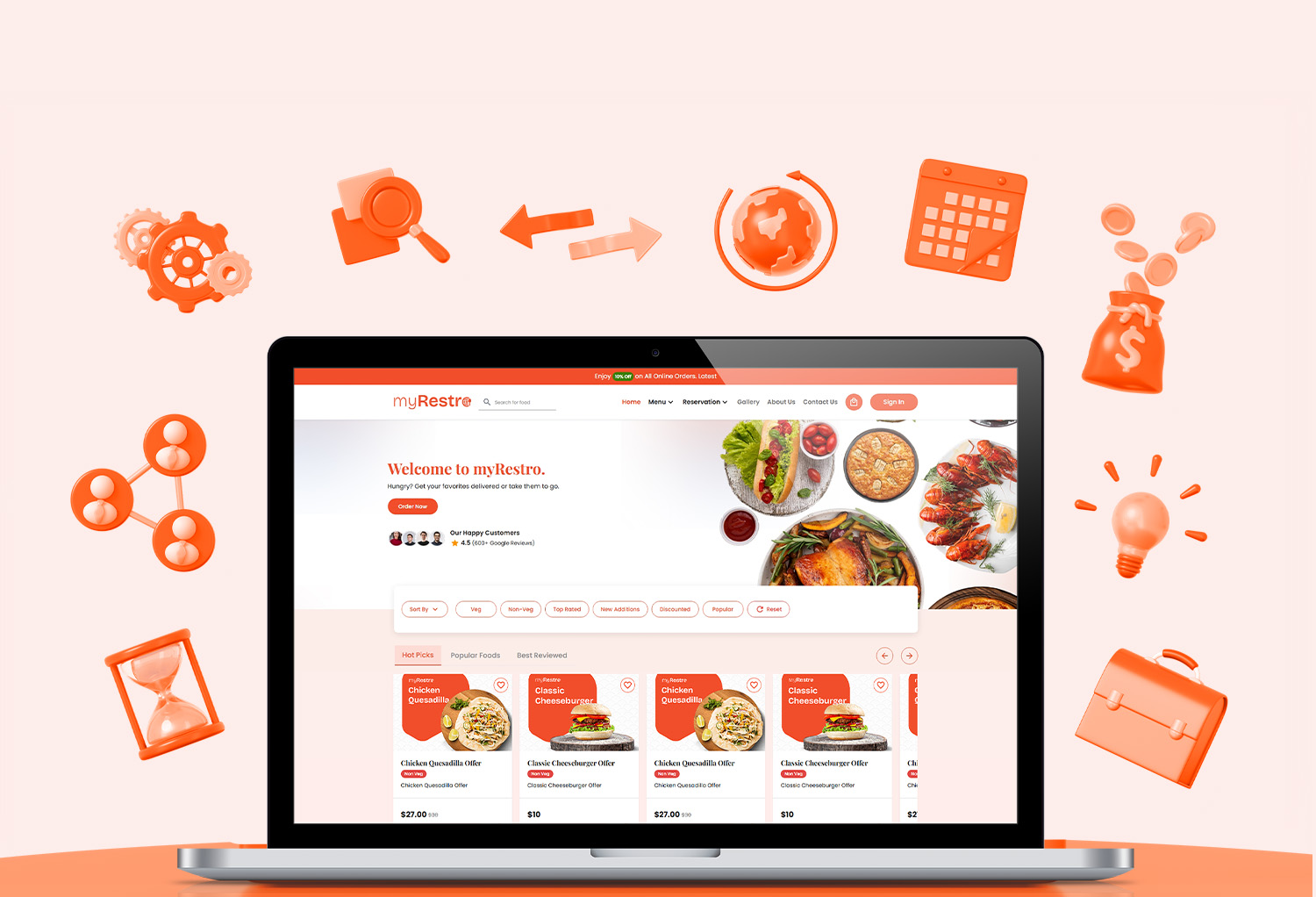
myRestro provides restaurant technology designed to bring online ordering and restaurant management tools together.
The platform supports features including:
✔ Branded Restaurant Website
✔ Online Ordering
✔ Digital Menu Management
✔ QR Code Menu
✔ Delivery & Pickup Management
✔ Customer Management
✔ Email & SMS Marketing
✔ Coupon Management
✔ Table Reservations
✔ Catering Management
For restaurants looking for a branded digital ordering presence, these tools can help connect customer-facing ordering with other restaurant operations.
Rather than managing ordering, menus, marketing, and customer information through completely separate systems, restaurants can use a more centralized platform.
Benefits of Building a Direct Digital Ordering Presence
A direct digital presence can help restaurants create more ways for existing customers to interact with the business.
This can include:
Website ordering
Customers can order directly through the restaurant's branded website.
Mobile ordering
Customers can access ordering through mobile-focused channels where supported.
QR code access
Customers can quickly reach a digital menu or ordering page.
Customer communication
Restaurants can use appropriate email and SMS marketing to stay connected.
Promotions
Restaurants can promote special offers and coupons through their own channels.
Together, these tools can form a broader direct-ordering strategy.
Final Thoughts
A white label restaurant ordering app can give restaurants another way to provide customers with a branded mobile ordering experience.
For restaurants considering this technology, the most important factors go beyond the app itself.
Menu management, online ordering, payments, pickup and delivery, customer management, marketing, branding, and total costs should all be considered.
Restaurants should choose a solution based on how well it fits their existing operations and customer needs.
For businesses that want a connected digital restaurant platform, combining branded ordering with restaurant management tools can provide a more centralized approach.
Frequently Asked Questions
What is a white label restaurant ordering app?
It is a restaurant ordering application built on an existing technology platform that can be branded and customized for an individual restaurant or restaurant business.
What is the difference between a white label app and a third-party delivery app?
A white-label app is designed around the restaurant's own brand and direct ordering experience, while a third-party delivery app generally operates as a marketplace featuring multiple restaurants.
Do small restaurants need a branded ordering app?
Not necessarily. Restaurants should consider their customer base, ordering volume, budget, and digital strategy before deciding whether a branded app makes sense.
Can a white label app support restaurant delivery?
Some platforms support delivery, while others may focus primarily on ordering. Restaurant owners should verify the specific delivery and fulfillment features before choosing a provider.
Can restaurants use a website and a white label app together?
Yes. A restaurant website and mobile app can serve different customer needs and can potentially work together as part of a broader direct digital strategy.
Does myRestro provide restaurant ordering tools?
Yes. myRestro provides online ordering, branded restaurant websites, digital menus, QR code menus, delivery and pickup management, customer management, marketing, reservations, and catering tools.
Build Your Restaurant’s Digital Ordering Presence With myRestro
Give customers convenient ways to discover your menu and order directly through your restaurant's digital channels.
With myRestro, restaurants can access:
✔ Commission-Free Online Ordering
✔ Branded Restaurant Website
✔ Online Menu Management
✔ QR Code Menu
✔ Delivery & Pickup Management
✔ Table Reservation Management
✔ Catering Management
✔ Customer Management
✔ Email & SMS Marketing
✔ Coupon Management
✔ 90-Day Free Trial
✔ No Setup Fees
Bring your restaurant's ordering, menu, marketing, and management tools together with myRestro.
👉 Explore myRestro today.
📞 +1 (562) 366-0646
📧 [email protected]
🌐 myrestro.io
0 Comments