




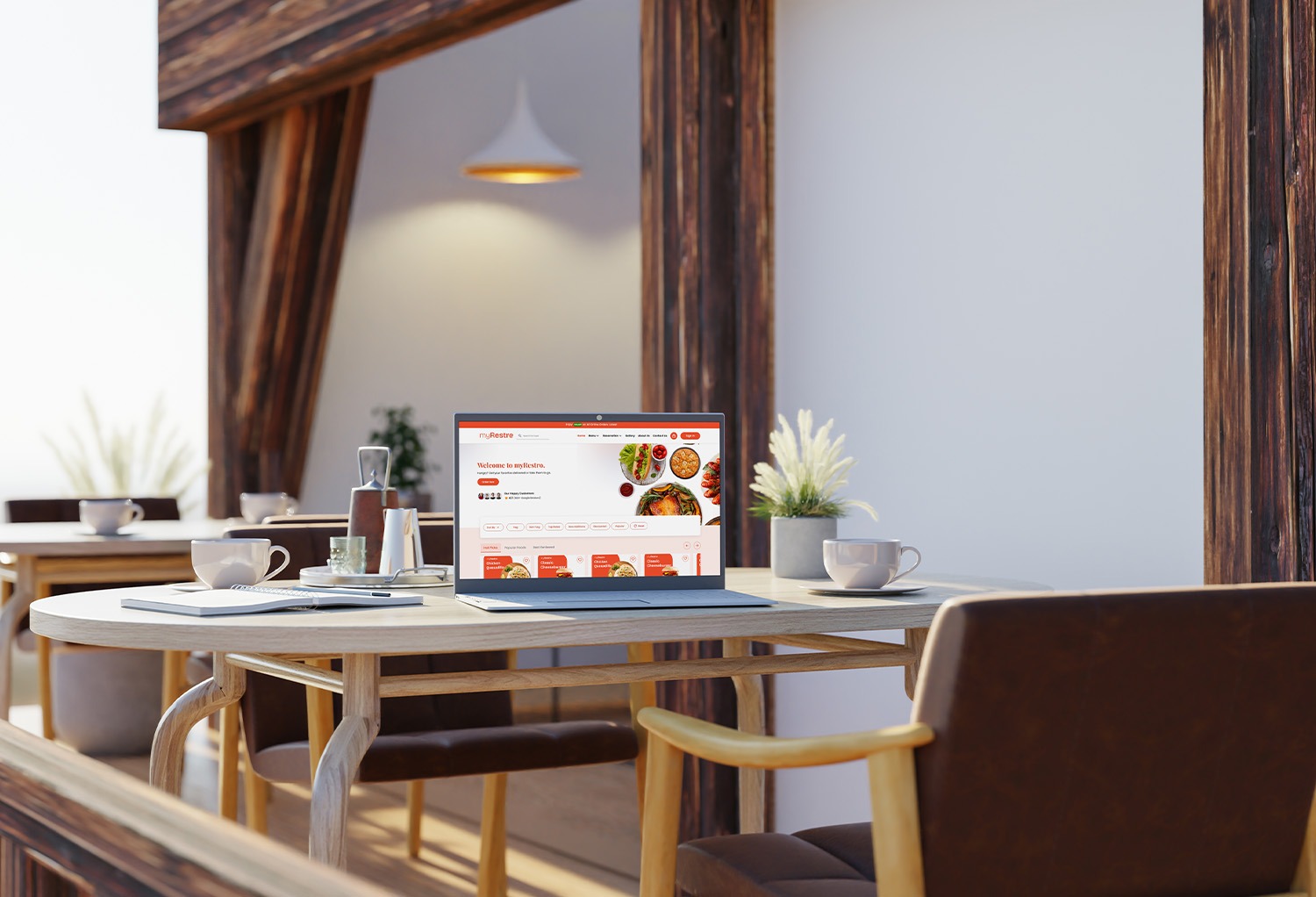
Online ordering will be mandatory for restaurants in 2026. Customers expect to use smart phones or laptops to browse menus, place orders, and make fast payments.
But one big question restaurant owners still ask is:
👉 What software do restaurants actually use for online ordering?
The answer is complicated since, depending on their size and goals, restaurants increasingly utilize a combination of POS systems, dedicated ordering platforms, and all-in-one restaurant management software.
👉 If you’re just getting started, read this first:
➡️ Online Ordering System for Restaurants: Complete Setup Guide (2026)
What Is Online Ordering Software for Restaurants?
Online ordering software is a digital system that allows customers to place food orders directly from a restaurant’s website or app.
It typically includes:
- Digital menu display
- Cart and checkout system
- Payment processing
- Order tracking
- Kitchen notifications
Modern systems also integrate with POS systems, delivery tools, and marketing platforms.
👉 Related:
➡️ Restaurant Ordering System Comparison: Features, Pricing & ROI
Types of Software Restaurants Use in 2026
Restaurants don’t rely on just one type of software anymore. They usually choose from these categories:
1. POS-Based Online Ordering Systems
Many restaurants use POS systems that include built-in ordering features.
Popular examples:
- Toast POS
- Square for Restaurants
- Clover POS
- Lightspeed Restaurant
These systems allow restaurants to manage:
✔ In-store orders
✔ Online orders
✔ Inventory
✔ Payments
Pros:
✔ All-in-one system
✔ Strong POS integration
✔ Reliable for dine-in + online
Cons:
Monthly fees
Hardware dependency
Limited branding control
👉 Compare options:
➡️ Best POS Systems with Online Ordering Integration for Restaurants
2. Third-Party Delivery Platforms
Many restaurants still rely on delivery marketplaces.
Examples:
- DoorDash
- Uber Eats
These platforms bring customers but come with major trade-offs.
Pros:
✔ High customer reach
✔ No setup required
✔ Fast onboarding
Cons:
15%–30% commission fees
No customer ownership
Weak brand identity
👉 Full breakdown:
➡️ How Much Money Are You Losing to Delivery Apps? (Real Breakdown)
3. Dedicated Online Ordering Platforms
These platforms focus only on online ordering (not full POS systems).
Examples:
- ChowNow
- GloriaFood
- UpMenu
- BentoBox
These tools help restaurants build their own ordering website without coding.
👉 Example insight: Some platforms allow restaurants to launch branded ordering websites quickly with built-in menu management tools.
Pros:
✔ Faster setup
✔ Branded ordering pages
✔ Easier than POS systems
Cons:
Limited advanced features
Extra marketing tools often missing
Subscription-based pricing
4. All-in-One Restaurant Management Software
This is the fastest-growing category in 2026.
These systems combine:
- Online ordering
- POS
- Marketing
- Delivery integration
- Analytics
👉 Example: modern systems combine ordering, loyalty, and analytics in one platform for restaurants.
Why Restaurants Are Moving Away From Traditional Tools
Restaurants are shifting because older systems have major problems:
High Costs
POS systems + delivery apps = multiple fees stacked together
No Unified System
Restaurants end up using 3–5 different tools
Low Profit Margins
Third-party apps take a large share of revenue
👉 Related:
➡️ Why Restaurants Are Switching to Commission-Free Ordering Systems
The Rise of Commission-Free Ordering Software
In 2026, one of the biggest trends is commission-free ordering systems.
These platforms allow restaurants to:
✔ Accept direct orders
✔ Avoid per-order commissions
✔ Own customer data
✔ Build branded websites
Modern Example of Restaurant Software Stack (2026)
A typical restaurant today uses:
✔ POS System
Handles payments and in-store orders
✔ Online Ordering System
Direct website orders
✔ Marketing Tools
SMS, email, promotions
✔ Delivery Integration
Optional third-party delivery support
What Makes the Best Online Ordering Software?
When choosing software, restaurants should look for:
✔ Commission-free or low fees
✔ Easy menu management
✔ Mobile-friendly ordering
✔ POS integration
✔ Built-in marketing tools
✔ Customer data ownership
👉 Full guide:
➡️ How to Choose a Restaurant Ordering System Without Paying High Commissions
Why Custom and Flexible Systems Are Growing
Flexible systems are becoming more and more popular among restaurants in place of rigid platforms.
The reason is simple:
👉 They want control over their brand, customers, and profits
Technology companies like ABSE Tech, which build custom digital solutions for restaurant businesses, are also driving this shift.
Custom systems allow restaurants to:
✔ Build unique ordering experiences
✔ Scale without limitations
✔ Integrate multiple tools into one system
Real-World Example
Let’s compare two restaurants:
Restaurant A (Third-Party Apps):
- Pays 25% commission
- No customer data
- Depends on external platforms
Restaurant B (Direct Ordering Software):
- Pays minimal fees
- Owns customer list
- Runs promotions directly
👉 Over time, Restaurant B grows faster and keeps more profit.
Final Thoughts
In 2026, what software are restaurants using for online ordering?
👉 The answer is:
They use a combination of delivery platforms, POS systems, and increasingly, all-in-one commission-free ordering systems.
But the clear trend is shifting toward:
✔ Direct ordering
✔ Full ownership
✔ Lower fees
✔ Integrated systems
Take Control of Your Restaurant Ordering
Stop depending on high-commission platforms.
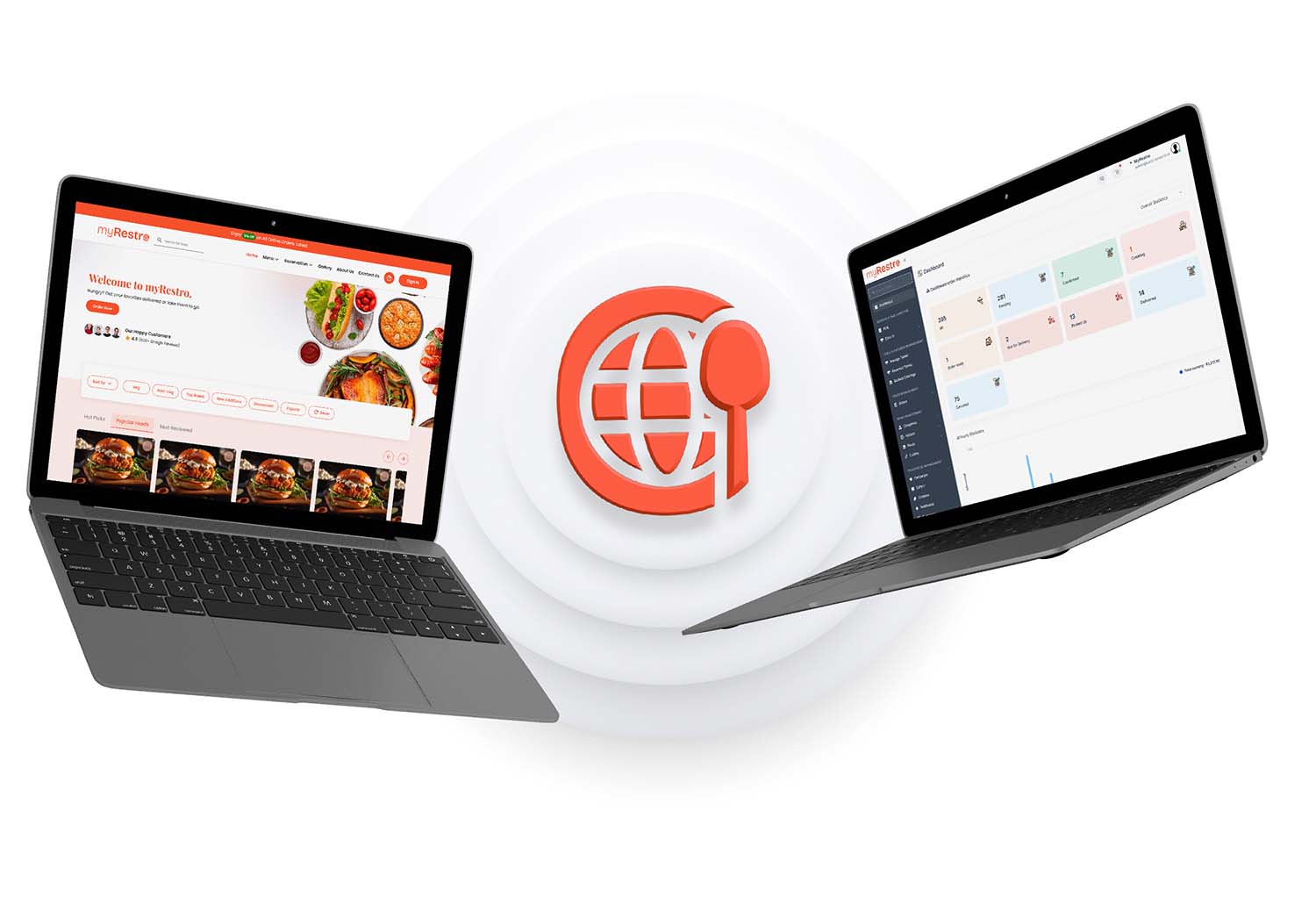
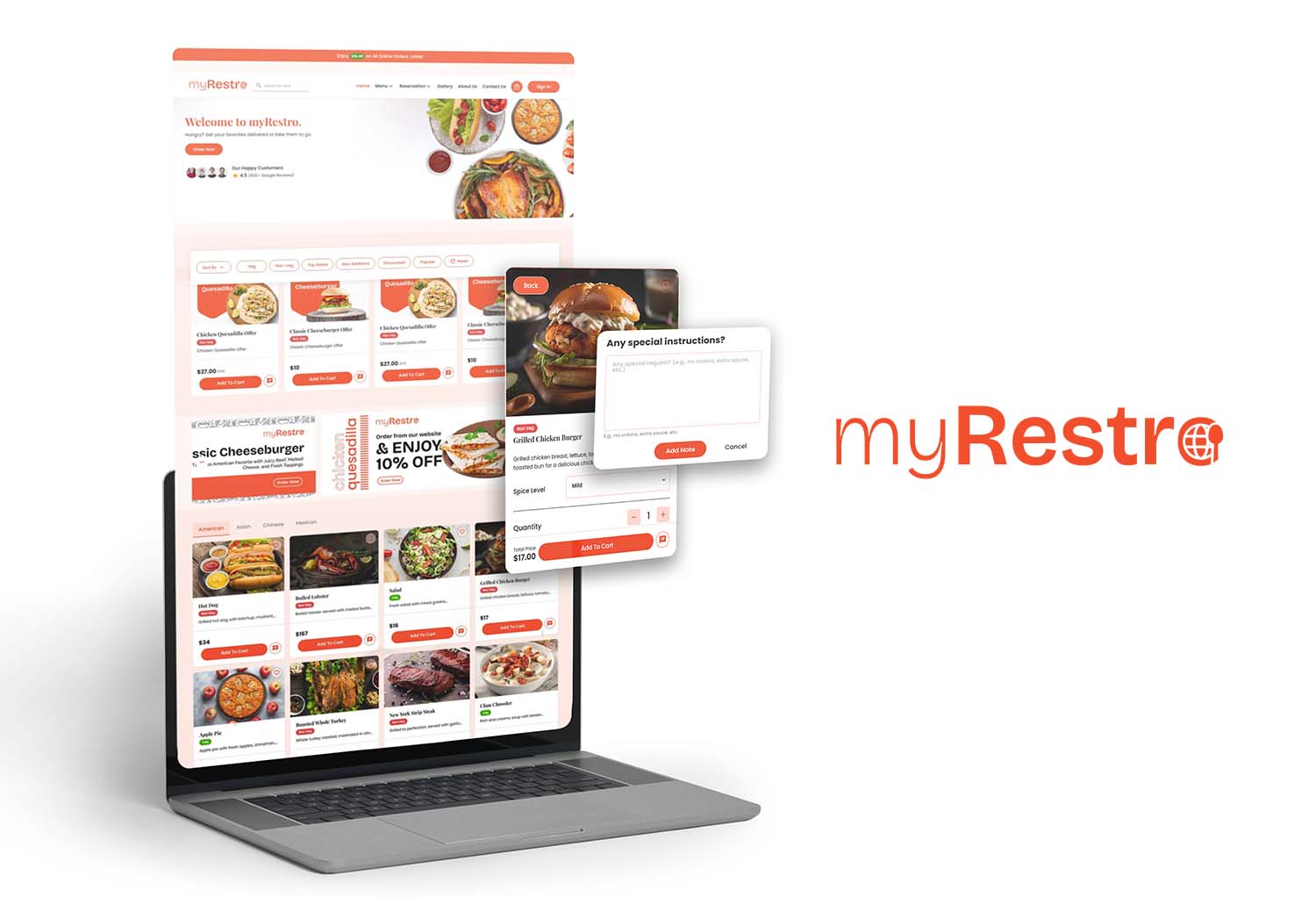
With myRestro, you get:
✔ Direct online ordering system
✔ Branded restaurant website
✔ Built-in marketing tools
✔ No monthly fees
✔ 90-day free trial
Start Your Free Trial TodayContact: +1 (562) 366-0646
Email: [email protected]
Website: https://myrestro.io
0 Comments