


Choosing the right restaurant software is one of the most important decisions for any restaurant owner. At first glance, many platforms seem affordable or even free.
But here’s the reality in 2026:
👉 The biggest costs are often hidden.
From high commissions to add-on fees and long-term contracts, restaurant owners often end up paying far more than expected.
👉 If you’re evaluating systems, start here:
➡️ Restaurant Ordering System Comparison: Features, Pricing & ROI
Why Hidden Costs Matter
Restaurant profit margins are already tight—often between 3% and 9%. Even small hidden fees can significantly impact your bottom line.
👉 Learn more:
➡️ How Much Money Are You Losing to Delivery Apps? (Real Breakdown)
Understanding these hidden costs can help you:
✔ Save thousands of dollars
✔ Choose the right system
✔ Increase long-term profitability
The Most Common Hidden Costs in Restaurant Software
Let’s break down what most providers don’t clearly tell you.
1. High Commission Fees
This is the biggest hidden cost in the industry.
Platforms like DoorDash and Uber Eats charge 15% to 30% per order.
At first, it may seem manageable—but it quickly adds up.
Example:
- $25 order
- 25% commission = $6.25 lost
- 100 orders/day = $625 lost daily
👉 That’s over $18,000 per month
👉 Related:
➡️ Direct Ordering vs Third-Party Apps: Which Is Better for Restaurants?
2. Monthly Subscription Fees
Many restaurant software platforms charge recurring monthly fees.
These can include:
- POS subscriptions
- Online ordering tools
- Add-on features
👉 Some systems start at $50–$200/month but increase as you scale.
3. Hardware Costs
Certain systems require proprietary hardware.
For example, POS systems like Toast often require:
- Terminals
- Tablets
- Printers
These upfront costs can range from hundreds to thousands of dollars.
4. Payment Processing Fees
Even if software is “free,” payment processing isn’t.
Typical charges include:
- 2.5%–3.5% per transaction
- Fixed transaction fees
👉 These costs are often overlooked but impact every sale.
5. Add-On Features & Upsells
Many platforms advertise a low base price—but charge extra for:
- Online ordering
- Marketing tools
- Loyalty programs
- Advanced reporting
👉 What starts as a “cheap” system can quickly become expensive.
6. Marketing Costs
If your platform doesn’t include marketing tools, you’ll need to spend separately on:
- Social media ads
- Email marketing tools
- SEO services
👉 Learn why this matters:
➡️ Free Digital Marketing for Restaurants: Why It Matters in 2026
7. Lack of Customer Ownership
This is one of the most overlooked costs.
With third-party platforms:
- You don’t get customer emails
- You can’t retarget customers
- You rely on the platform for repeat business
👉 This leads to higher long-term acquisition costs.
8. Integration Costs
Many systems don’t integrate smoothly with other tools.
You may end up paying extra for:
- POS integrations
- Delivery integrations
- Third-party connectors
👉 Related:
➡️ Best POS Systems with Online Ordering Integration for Restaurants
9. Long-Term Contracts
Some providers lock you into contracts for 1–3 years.
This means:
- You can’t switch easily
- You keep paying even if unhappy
👉 Related:
➡️ Toast Alternatives for Restaurants: What’s Better in 2026?
10. Time & Operational Inefficiency
Using multiple disconnected systems leads to:
- Manual errors
- Slower service
- Staff confusion
👉 Time = money in the restaurant business
Real Cost Breakdown: Traditional vs Modern Systems
| Cost Type | Traditional Platforms | Modern Systems |
| Commission | 15–30% | 0–10% |
| Subscription | High | Low/None |
| Hardware | Required | Optional |
| Marketing | Extra cost | Included |
| Total Cost | High | Lower |
Why Restaurants Are Switching in 2026
Restaurants are now prioritizing:
✔ Transparent pricing
✔ Commission-free ordering
✔ All-in-one systems
👉 Learn more:
➡️ Why Restaurants Are Switching to Commission-Free Ordering Systems
The Smarter Alternative: All-in-One Platforms
Modern restaurant software combines:
- Online ordering
- POS integration
- Marketing tools
- Delivery management
👉 Explore:
➡️ Top All-in-One Restaurant Management Software in California (2026)
How to Avoid Hidden Costs
Here’s a simple checklist:
✔ Choose commission-free or low-fee systems
✔ Avoid long-term contracts
✔ Look for built-in marketing tools
✔ Ensure transparent pricing
✔ Use integrated platforms
👉 Full guide:
➡️ How to Choose a Restaurant Ordering System Without Paying High Commissions
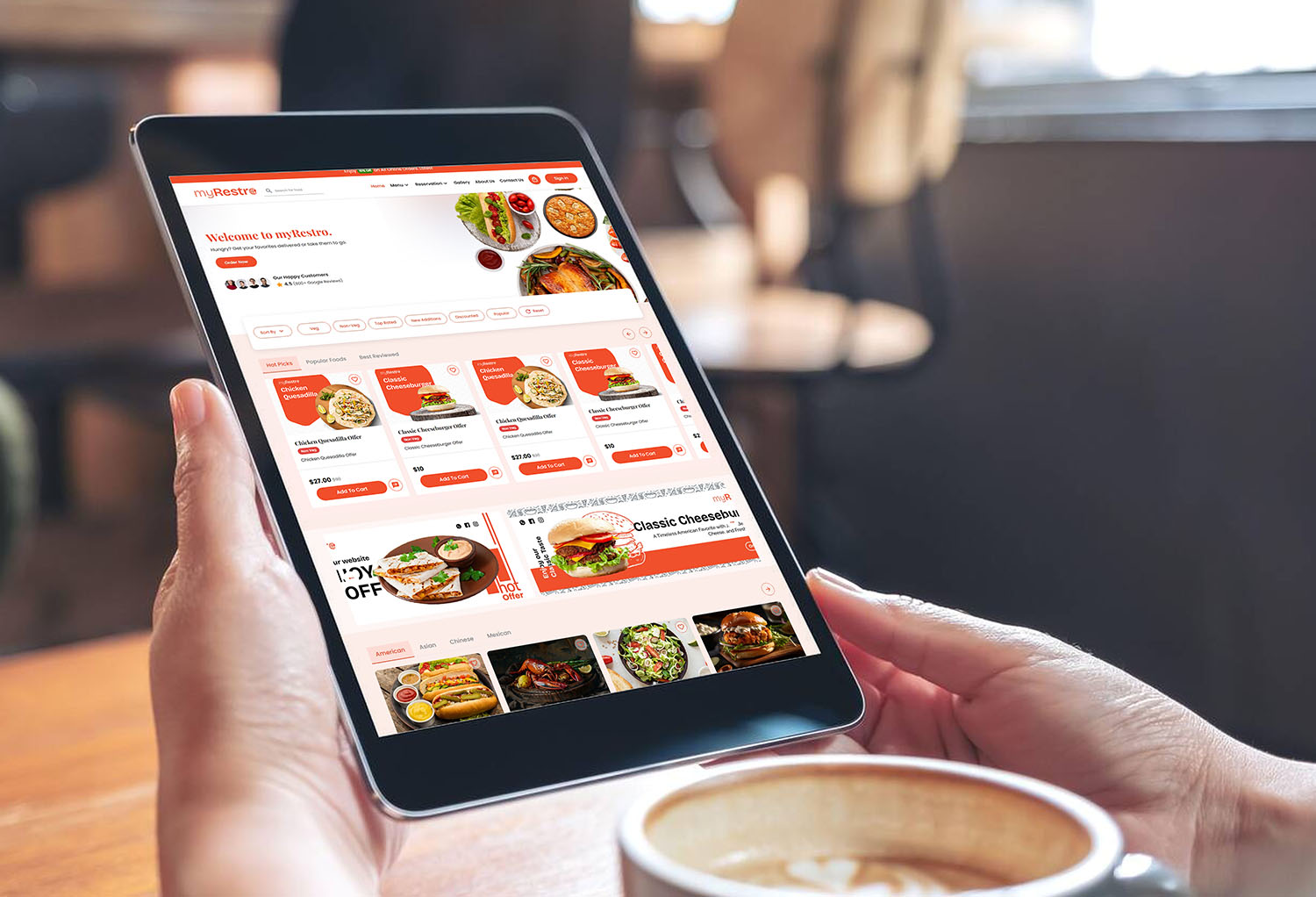
Why Platforms Like myRestro Stand Out
Solutions like myRestro are designed to eliminate hidden costs.
They offer:
✔ No monthly subscription
✔ 0% commission during trial
✔ Only 10% after trial
✔ Built-in marketing tools
✔ Branded restaurant website
👉 This helps restaurants keep more profit and grow sustainably.
Final Thoughts
Hidden costs in restaurant software can silently drain your profits.
👉 What looks affordable upfront may become expensive over time.
The key is to choose a system that offers:
✔ Transparency
✔ Control
✔ Long-term value
Take Control of Your Restaurant Costs
Stop overpaying for software and start maximizing your profits.
With myRestro, you get:
✔ Direct online ordering
✔ Branded website
✔ Free marketing tools
✔ No monthly fees
✔ 90-day free trial
Start Your Free Trial Today
📞 +1 (562) 366-0646
📧 info@myrestro.io
🌐https://myrestro.io
0 Comments