



If you’re a restaurant owner, you’ve probably faced this question already — should I pay a monthly subscription or a commission per order for my restaurant website and online ordering system?
At first glance, subscriptions look “cheaper” and commissions feel “painful.” But the real answer isn’t that simple.
In reality, many restaurants quietly lose more money on subscriptions than commissions — without even realizing it.
Let’s break this down clearly, honestly, and with real-world restaurant logic
The Subscription Model: Death by Monthly Charges
Most restaurant website and ordering platforms follow a subscription-based pricing model.
You pay:
- A fixed monthly fee (e.g., $99–$399/month)
- Extra charges for add-ons (marketing, SEO, SMS, integrations)
- Setup fees
- Hosting or maintenance fees
- Sometimes still a commission on payments
What Subscription Platforms Promise
- “Predictable pricing”
- “Lower cost in the long run”
- “Professional tools”
The Hidden Reality
You pay whether you make money or not.
Let’s do simple math.
Example: Small to Mid-Sized Restaurant
- Website & ordering subscription: $199/month
- Marketing add-ons: $150/month
- SMS / email tools: $50/month
Total fixed cost: $399/month
Annual cost: $4,788
Now ask yourself:
- What if January is slow?
- What if sales drop during off-season?
- What if you’re still building traffic?
You still pay the same amount.
That’s where subscriptions silently drain restaurants — they charge you for existence, not performance.
The Commission Model: Paying Only When You Earn
A commission-based model works differently.
Instead of paying upfront, you pay a small percentage only when you receive an order.
What Commission Platforms Promise
- Lower upfront risk
- Pay-as-you-grow
- Performance-based pricing
Where Commission Can Hurt
- High commission rates (20–30%)
- No transparency
- No added value (no marketing, no growth support)
This is why many restaurant owners fear commissions — because food delivery apps abused this model.
But here’s the key truth:
“Commission itself is not the problem. Unfair commission is.”
The Real Question: What Are You Getting in Return?
Instead of asking subscription vs commission, ask this:
What value am I getting for the money I give away?
Let’s compare fairly
| Factor | Subscription Model | Fair Commission Model |
| Pay before sales | Yes | No |
| Risk during slow months | High | Low |
| Incentive to help you grow | Low | High |
| Marketing included | Usually extra | Often included |
| Scalability | Poor | Strong |
A subscription company gets paid even if you fail.
A commission-based company gets paid only if you succeed.
That alignment matters.
Where Most Restaurants Actually Lose Money
Here’s the uncomfortable truth:
Most restaurants lose money because of:
- Paying subscriptions before demand exists
- Paying for marketing separately
- Paying agencies with no performance accountability
- Paying multiple tools that don’t talk to each other
By the time orders come in, margins are already squeezed.
A Smarter Commission Approach (What Restaurants Actually Need)
The ideal model looks like this:
✔ Free onboarding
✔ No monthly subscription
✔ No hosting or maintenance fees
✔ Free marketing support to build demand
✔ Low, transparent commission after growth starts
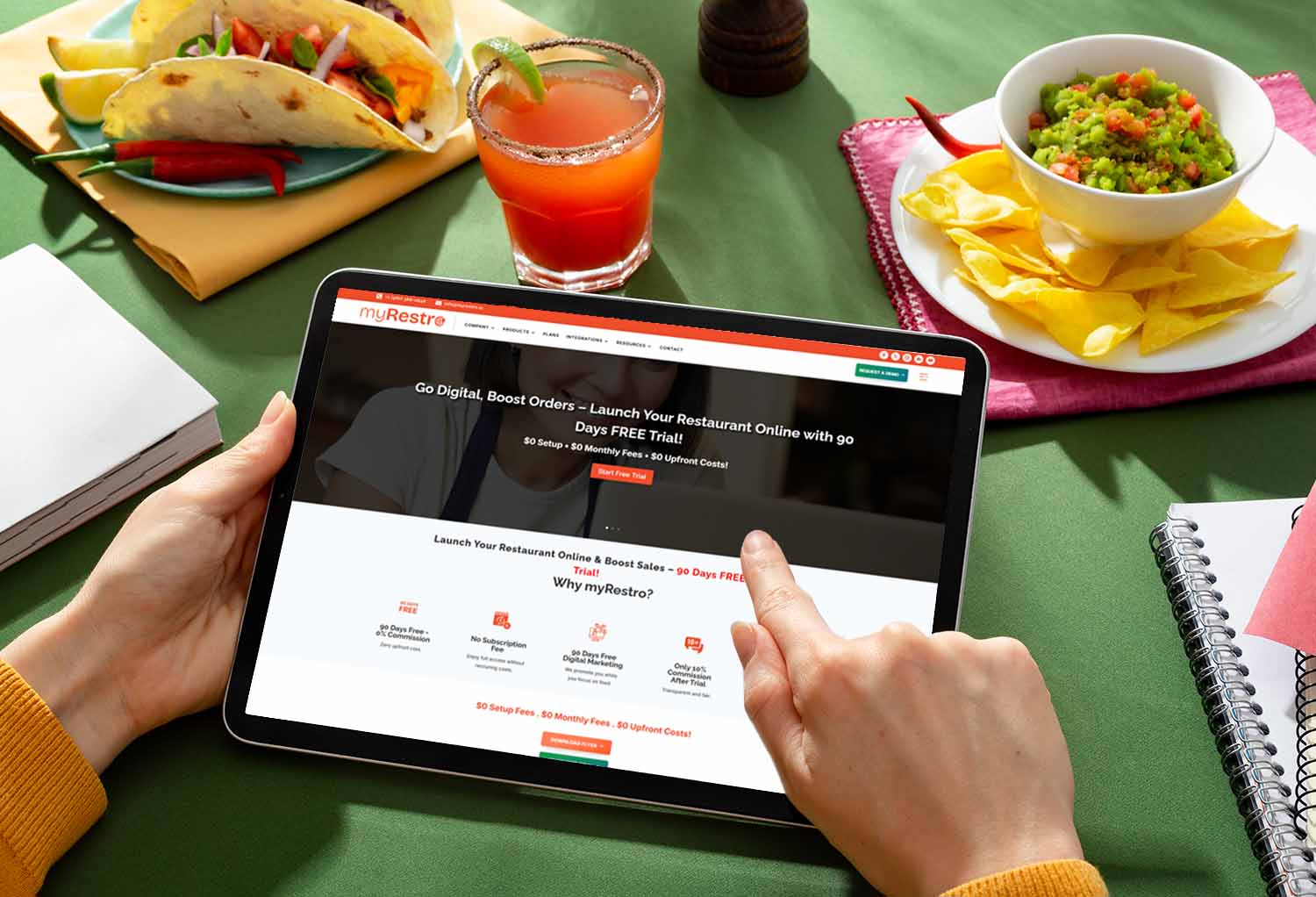
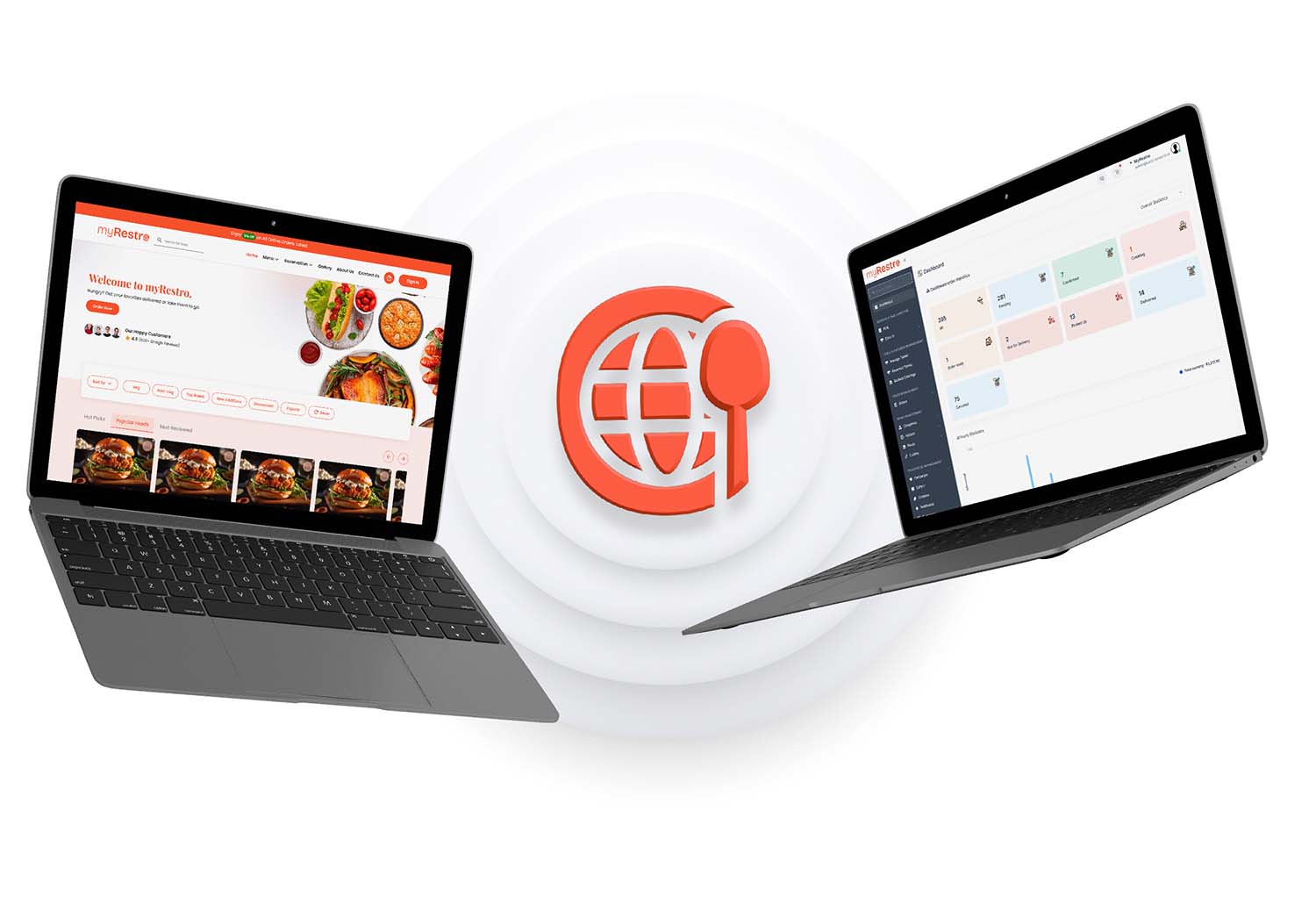
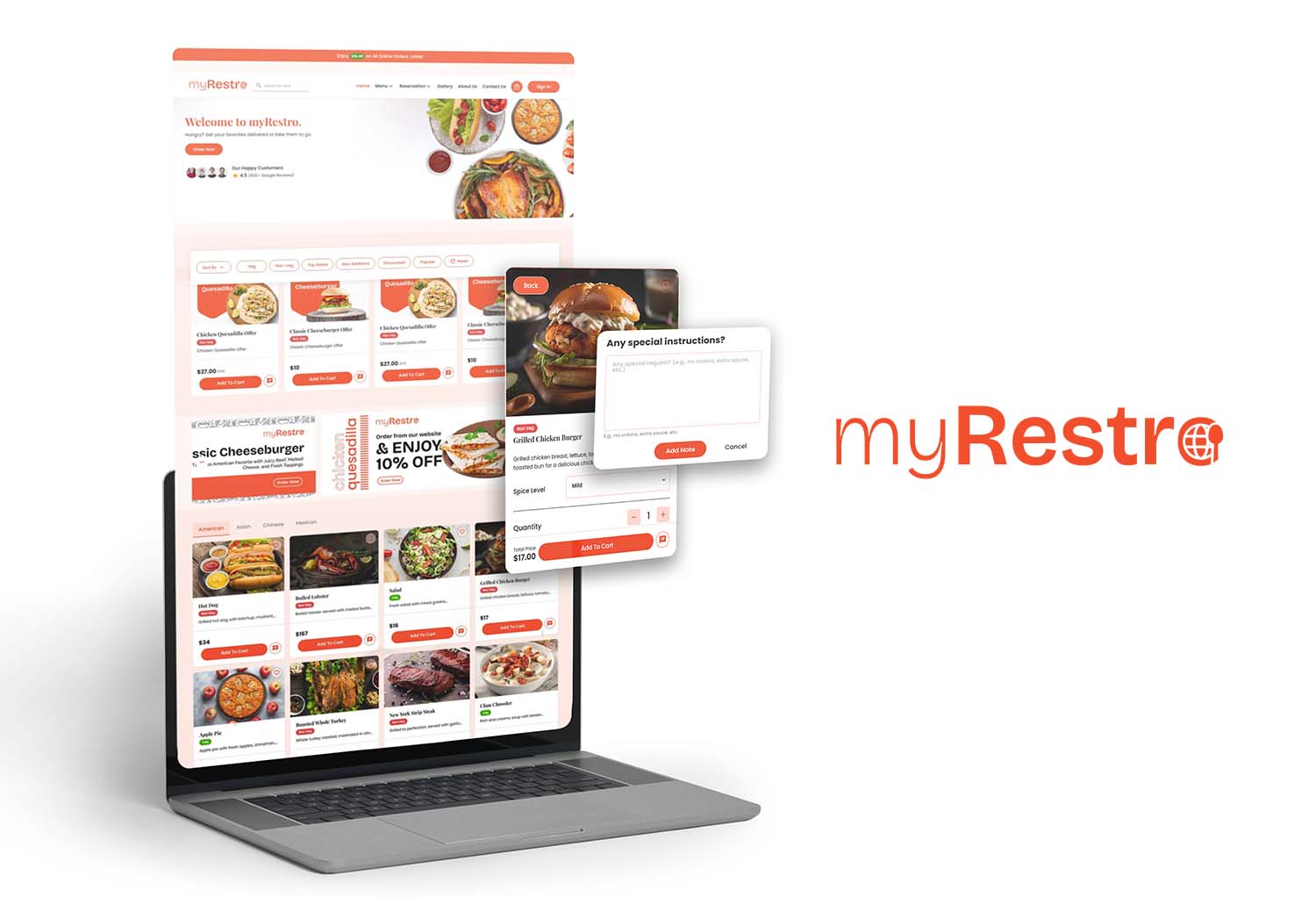
This is exactly where modern restaurant platforms are heading — including myRestro.
Why myRestro’s Model Is Restaurant-Friendly
myRestro flips the traditional model completely.
How myRestro Works
- 90-day free trial
- 0% commission during trial
- 3 months of FREE digital marketing
- No setup cost
- No hosting or maintenance fees
- Restaurants keep 100% of tips
- Use myRestro alongside DoorDash, UberEats, Grubhub
Only after 3 months, when your website is live, optimized, and marketed:
Just 10% commission per order
No subscriptions.
No surprise bills.
No pressure during slow months.
Real Cost Comparison (Honest Math)
Scenario A: Subscription Platform
- Monthly cost: $399
- Annual cost: $4,788
- Orders: inconsistent
- Marketing: extra
Scenario B: myRestro Commission Model
- First 90 days: $0
- Marketing included
- After trial: 10% commission
- You pay only when orders come in
If you don’t sell → you don’t pay.
If you sell more → you grow together.
That’s not draining money — that’s shared success.
Final Verdict: Who Drains More Money?
Subscription models drain money when:
- Sales are slow
- Marketing isn’t working
- You’re still building your brand
Fair commission models protect restaurants by:
- Removing upfront risk
- Aligning platform success with restaurant success
- Supporting growth before charging
The most dangerous cost isn’t commission.
The most dangerous cost is paying before you earn.
The Smart Question to Ask Any Platform
Before choosing your restaurant website or ordering system, ask this:
“Do you make money even if I don’t?”
If the answer is yes, be careful.
If the answer is only when you do, you’ve found a partner — not just a vendor.
0 Comments